How to Choose a Digital Camera
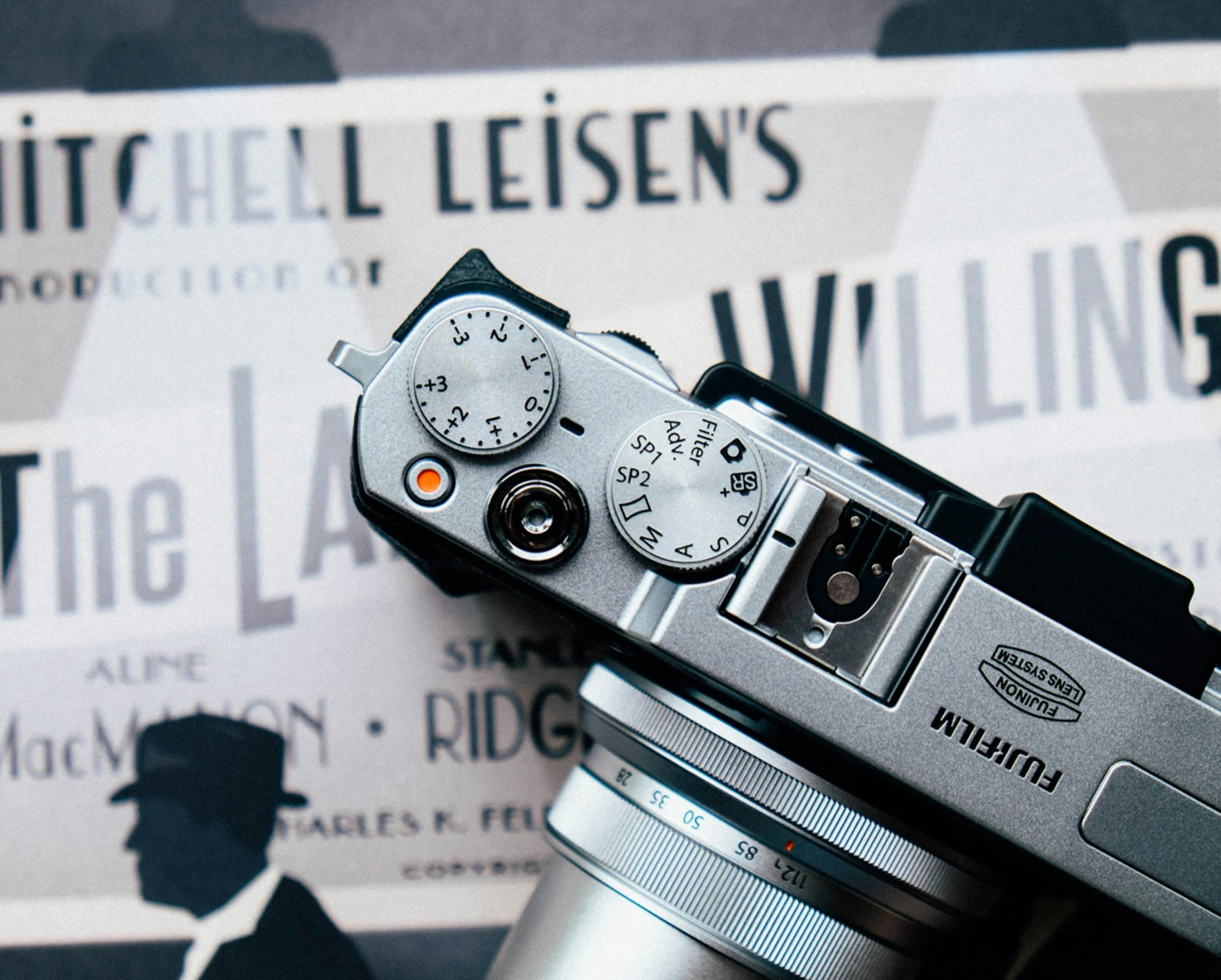
Getting into photography? Thinking of upgrading?
Here’s most of what I know about cameras (of the digital variety) so that you can make the most informed choice of your next camera.
Already know more or less what you’re after? Dive straight to the recommendations.
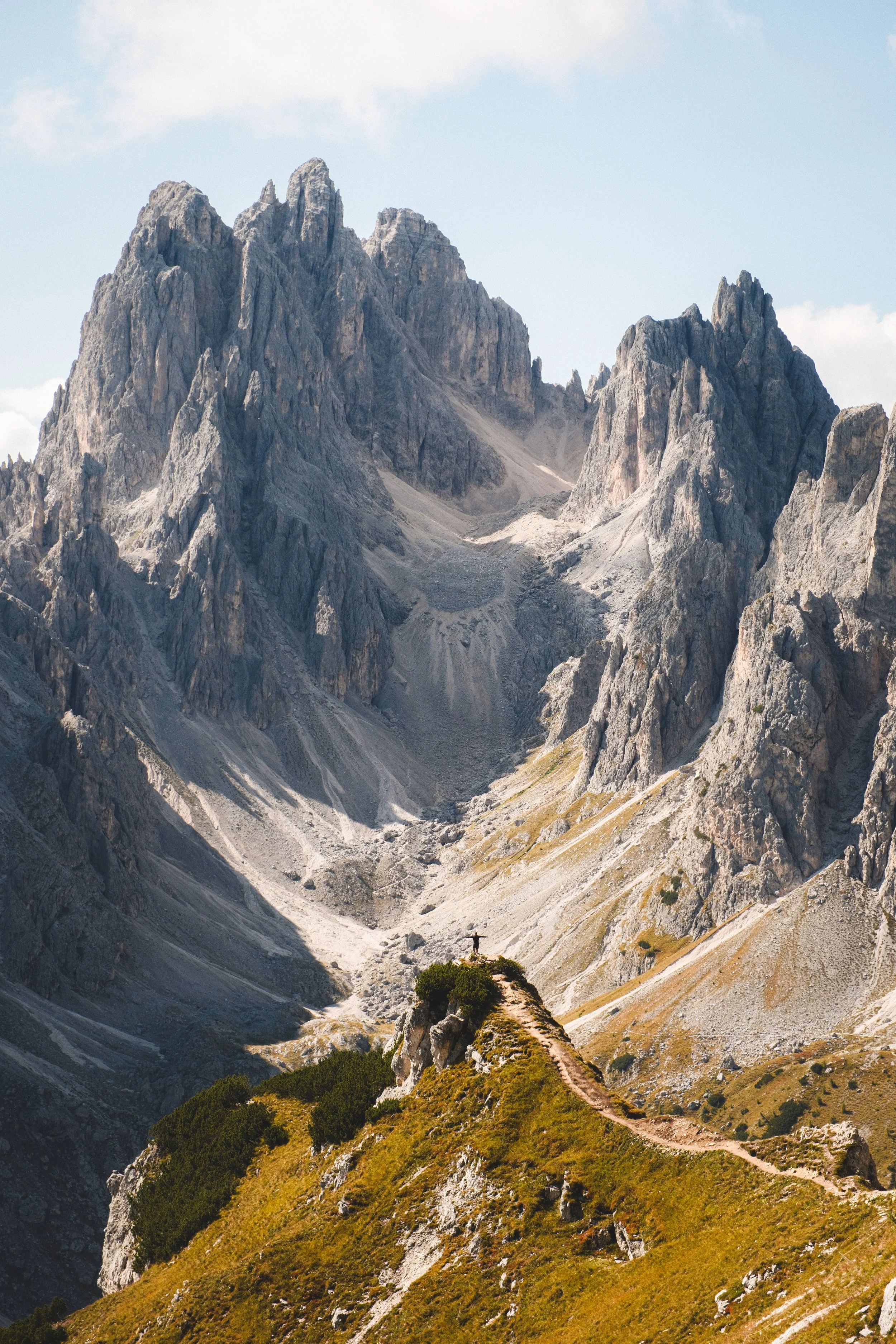
First Question: What are you trying to achieve?
Buying a camera can be overwhelming. Choosing a camera that allows you to capture the photos you’re actually after is the most helpful place to start. Some things to consider:
Purpose of the photos – Social media, prints, personal documentation, professional work.
Subject matter – Landscapes, portraits, travel, wildlife, street photography, or a mix.
Level of control – Do you want a camera that just works, or one that gives more control?
Frequency and context – Will you carry it daily, take it on trips, or use it in a studio?
Defining your goals early will help rule out a large portion of the market. If none of the above resonates, don’t worry, there are options that can be tailored to any approach, and we’ll cover those below.

Second Question: Form Factor?
The size, weight and feel of your new camera will impact not only whether your able to achieve what you’re after - but whether you're enjoying it enough to go out and actually do it.
Here are the most common choices:
Compact
Point & Shoot (a smaller, simplified compact)
Professional Mirrorless (Cropped & Full-Frame)
DSLR
Medium Format
As I got through the formats and my recommendations, work out which allows you to achieve the goal you’ve worked out from above.
Compact Cameras
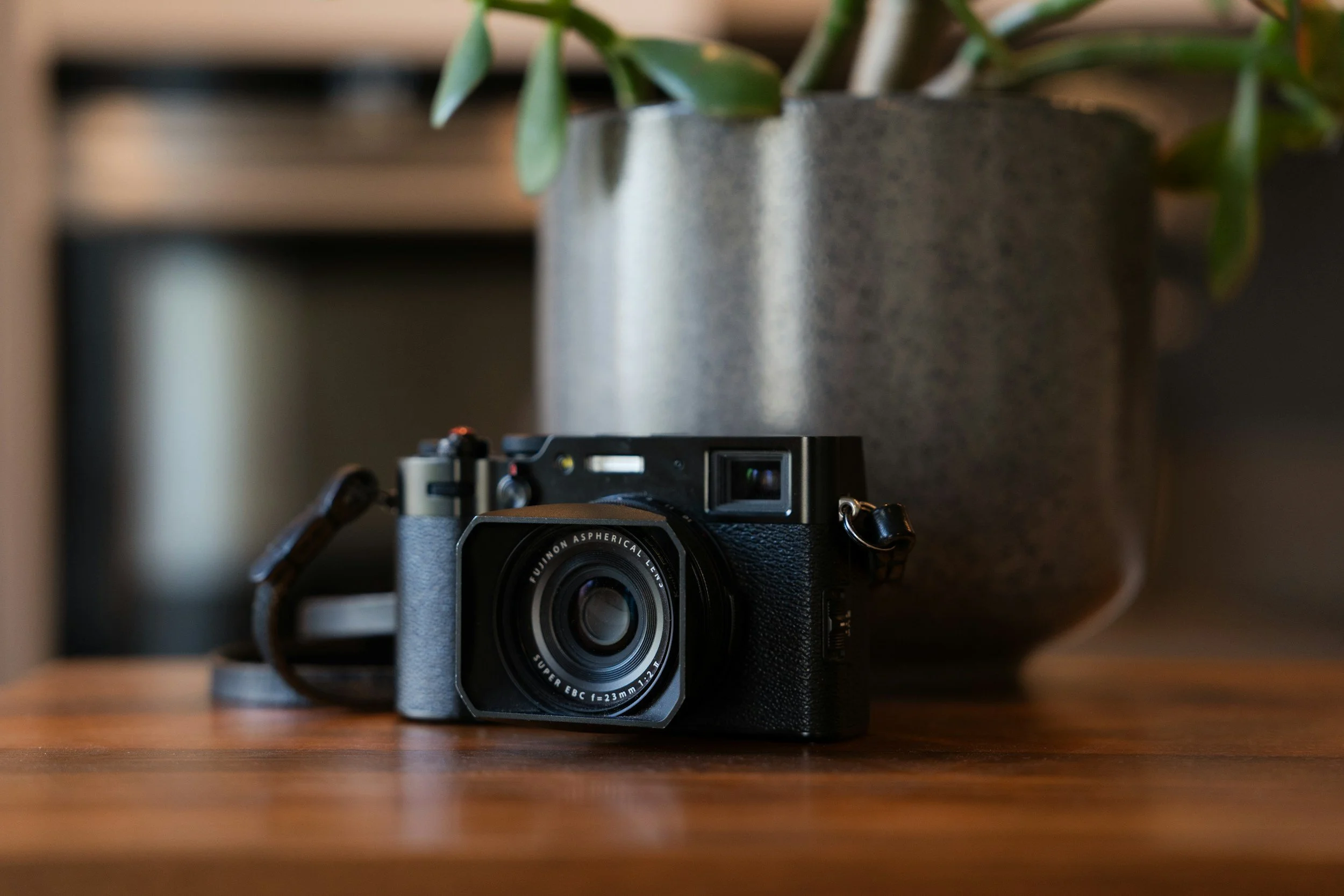
Compact cameras in this context are small, lightweight, and highly portable — their primary advantage. Many feature a fixed wide-angle lens, but unlike casual point-and-shoot models, they offer meaningful manual control, allowing photographers to engage deliberately with exposure, focus, and composition.
This category is aimed at those who want to take their photography seriously, whether by prioritizing creative control or appreciating the camera itself as a well-designed, stylish object.
The segment is well-populated with capable models, and for many photographers, one of these cameras is sufficient to handle a broad range of photographic goals. Popular examples include Fuji’s X100 series, Nikon ZF, and Ricoh’s GR range.
-
Travel
Street
Casual/Social
Landscape
Documentary/Holiday
-
Portability and convenience
Full manual control - differentiates this category from casual point-and-shoots.
High-quality fixed lenses - wide-angle versatility for landscapes, street, and general photography.
Stylish design / tactile experience - often desirable to own as an object in its own right.
Ready-to-go image quality - minimal post-processing required for most purposes.
-
Often fixed lens - limits flexibility compared with interchangeable-lens systems.
Smaller sensors than DSLRs or high-end mirrorless - sometimes affects performance.
Not ideal for highly specialized photography (super-telephoto wildlife, macro work, etc.)
Accessories / expandability are more limited than mirrorless or DSLR systems.
My Recommendations
Lots of people exploring this category arrive at the conclusion that what they’re after is a Fujifilm. As a Fuji fan myself I totally get this. The looks, feel and photos output are raved about online and many people are already sold by the brand - they just need to choose a model. Dialling in the film simulation settings means you can get totally postable (film like) photos straight out the camera. Don’t get me wrong, there are other options in this space (which I’ll also cover) but here are my fuji compact recommendations
You first have to decide whether you’re happy to buy used. Clearly there is more value to be had this way - at the cost of ensuring what you’re buying is in good condition + the lack of warranty. The older Fuji cameras are still impressive today - the biggest differentiator to the new stuff is the reduced number of ‘film simulations’, poorer battery life and autofocus. For someone with a reduced budget I usually suggest these are compromises are worth it.
Then there are two choices:
Integrated lens cameras (The X100 series & X-half)
An interchangeable lens body paired with a compact lens. (X-E, X-Pro, X-M, X-Txx series)
But the choice is really: are you ok with the limitation of a fixed focal length? For a compact camera - a fixed focal length is often a blessing in disguise. It removes a choice - allowing more focus on the photo and composition itself.
However if you ever fancy exploring different styles of photography (think astro, portrait, sports, wildlife), they may require specialist lenses. Having the option of swapping out lenses is helpful here, however in the context of a compact camera - it’s more unlikely you’ll be shooting these styles. Looks, functionality and budget are the main factors at play here when comparing the options.
Here are my recommendations:
X100VI (& X100V): Fuji’s purpose built compact camera. Optical viewfinder, compact built in premium lens + amazing looks and build. Upgrade to the VI mainly for image stabilisation (IBIS) and select film simulations - the resolution of the V is fine for 95% of users.
X-T50 with 23mm F2 or 27mm F2.8 WR: The latest sensor, IBIS and still fairly compact. And you can have fun with the lens options if you desire. The are both great walkabout focal lengths and the 27mm is a super compact pocketable ‘pancake’ lens.
Budget options:
Used X100T: Does not have the latest app support for photo transfer to your phone, slower autofocus but still a super camera which can be found used for great prices.
Used X-E4 with 23mm F2 or 27mm F2.8 WR: Essentially an X100V without the lens. Paired with the 27mm F2.8, its not much bigger either. Only released in 2021 so still support for Fuji’s X app for photo transferring.
Fujifilm
Fujifilm isn’t the only big player in this segment. Here are my top picks you can’t go wrong with.
Ricoh GR III/IV: Ultra-compact, APS-C fixed-lens cameras built for discreet, high-quality street and everyday photography, prized for their sharp prime lenses, pocketable size, and fast, no-nonsense shooting experience.
Nikon Zf with Nikon Z 40mm f/2: Full‑frame mirrorless camera that blends classic Nikon film‑camera styling (mechanical dials and heritage design) with modern imaging technology, including a 24.5 MP full‑frame sensor
Leica Q3: Exceptional build, 60 MP full-frame sensor and built-in 28 mm f/1.7 Summilux lens. A real premium shooting experience that you have to pay for.
Rest of the Market
Point & Shoots
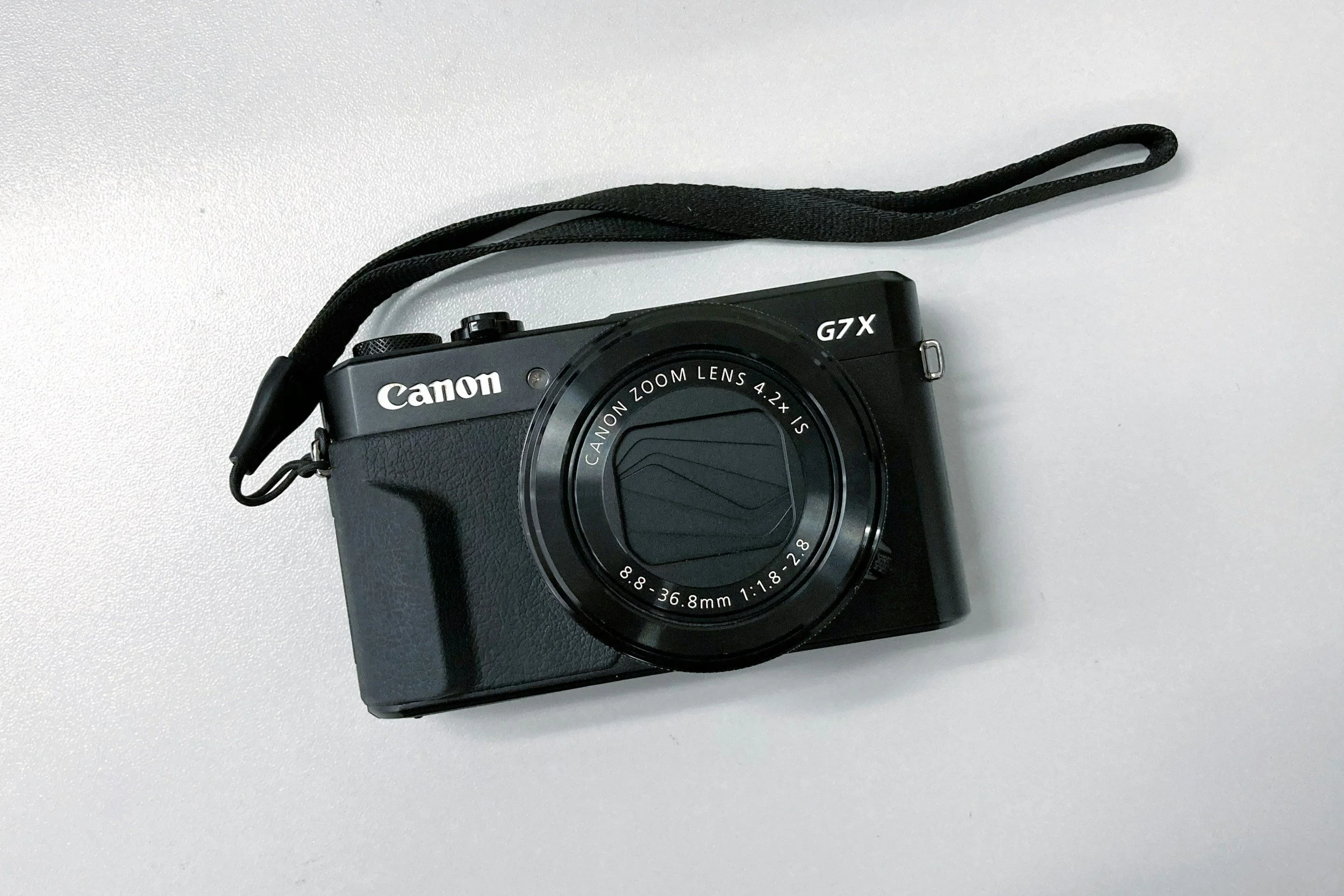
Point & shoot cameras sit on the smaller, simpler end of the digital camera spectrum. Unlike the compact cameras above that favour creative control and larger sensors, P&S models are built first for ease of use, affordability, and convenience — letting you grab the shot without fussing over settings. Most use automatic exposure and autofocus and are intended for everyday snapshots rather than deliberate photographic expression.
These cameras are valuable if you want something that’s truly pocketable and straightforward, or a lightweight option for travel, family events, and quick social content — especially when carrying a larger camera isn’t practical. While most point & shoots use small sensors that can’t match mirrorless or APS‑C image quality, some models still deliver surprisingly capable results at their price point.
-
Travel
Casual/Social
Documentary/Holiday
-
Ultra‑portable and lightweight — fits in pockets and bags effortlessly
Easy to use — mostly automatic settings, perfect for quick snaps
Budget‑friendly — affordable options outperforming phone cameras
Ideal for travel and everyday life — simple, grab‑and‑go photography
Low learning curve — great for beginners or casual photographers
-
Smaller sensors result in lower image quality, especially in low light
Limited manual controls and creative flexibility
Narrower lens options; usually fixed zoom or prime with limited reach
Less depth of field control for artistic effects
Slower performance for action or fast-moving subjects
Fewer customization options compared to compact or mirrorless cameras
Generally less durable; may lack weather sealing or robust build
My Recommendations
Lots of people exploring this category arrive at the conclusion that what they’re after is a Fujifilm. As a Fuji fan myself I totally get this. The looks, feel and photos output are raved about online and many people are already sold by the brand - they just need to choose a model. Don’t get me wrong, there are other options in this space (which I’ll also cover) but here are my fuji compact recommendations
You first have to decide whether you’re happy to buy used. Clearly there is more value to be had this way - at the cost of ensuring what you’re buying is in good condition + the lack of warranty. The older Fuji cameras are still impressive today - the biggest differentiator to the new stuff is the reduced number of ‘film simulations’, poorer battery life and autofocus. For someone with a reduced budget I usually suggest these are compromises are worth it.
Then there are two choices:
Integrated lens cameras (The X100 series & X-half)
An interchangeable lens body paired with a compact lens. (X-E, X-Pro, X-M, X-Txx series)
But the choice is really: are you ok with the limitation of a fixed focal length? For a compact camera - a fixed focal length is often a blessing in disguise. It removes a choice - allowing more focus on the photo and composition itself.
However if you ever fancy exploring different styles of photography (think astro, portrait, sports, wildlife), they may require specialist lenses. Having the option of swapping out lenses is helpful here, however in the context of a compact camera - it’s more unlikely you’ll be shooting these styles. Looks, functionality and budget are the main factors at play here when comparing the options.
Here are my recommendations:
X100VI (& X100V): Fuji’s purpose built compact camera. Optical viewfinder, compact built in premium lens + amazing looks and build. Upgrade to the VI mainly for image stabilisation (IBIS) and select film simulations - the resolution of the V is fine for 95% of users.
X-T50 with 23mm F2 or 27mm F2.8 WR: The latest sensor, IBIS and still fairly compact. And you can have fun with the lens options if you desire. The are both great walkabout focal lengths and the 27mm is a super compact pocketable ‘pancake’ lens.
Budget options:
Used X100T: Does not have the latest app support for photo transfer to your phone, slower autofocus but still a super camera which can be found used for great prices.
Used X-E4 with 23mm F2 or 27mm F2.8 WR: Essentially an X100V without the lens. Paired with the 27mm F2.8, its not much bigger either. Only released in 2021 so still support for Fuji’s X app for photo transferring.
Fujifilm
Fujifilm isn’t the only big player in this segment. Here are my top picks you can’t go wrong with.
Ricoh GR III/IV: Ultra-compact, APS-C fixed-lens cameras built for discreet, high-quality street and everyday photography, prized for their sharp prime lenses, pocketable size, and fast, no-nonsense shooting experience.
Nikon Zf with Nikon Z 40mm f/2: Full‑frame mirrorless camera that blends classic Nikon film‑camera styling (mechanical dials and heritage design) with modern imaging technology, including a 24.5 MP full‑frame sensor
Leica Q3: Exceptional build, 60 MP full-frame sensor and built-in 28 mm f/1.7 Summilux lens. A real premium shooting experience that you have to pay for.