Photography Guide
Best Film Cameras for Travel.
Looking for a film camera to take travelling? I think it's very easy to overcomplicate the decision - here are my picks.
If you want a simple answer, I think the best film camera for travel is a compact 35mm autofocus camera. The Pentax PC35AF (/M) and Nikon L35AF are the models I'd look at first: they're small enough to carry all day, simple to use and capable of producing exactly the sort of film photos I want from a trip. There are other options in this category that are worth exploring, and we’ll get into those.
If you're happy focusing manually, my personal favourite is the Olympus XA. It's genuinely pocketable, has travelled with me more than any other film camera, and is still the one I'd choose for myself.
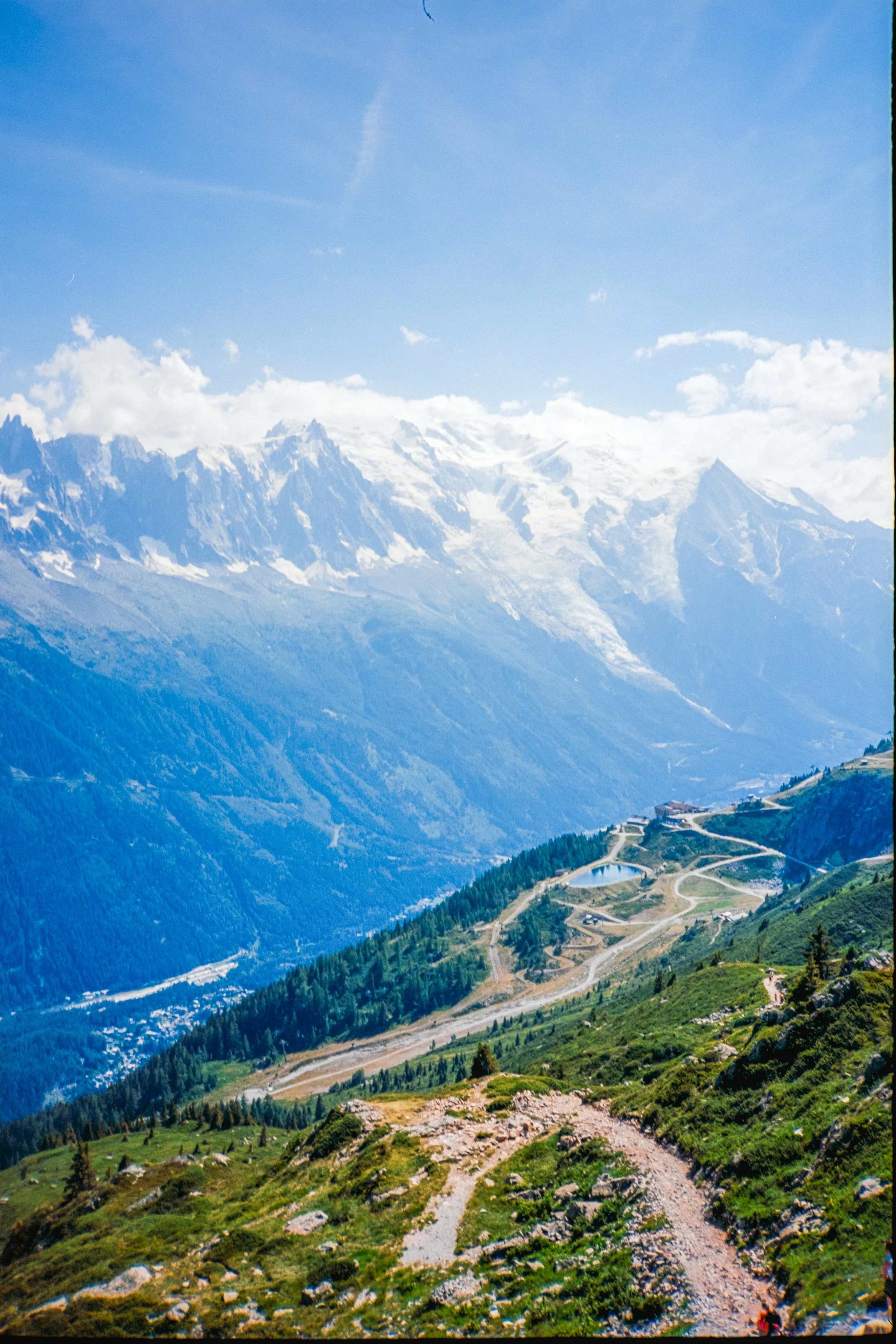
Landscape shot whilst hiking above Chamonix looking over Mont Blanc.
Olympus XA | Kodak Ektar 100
My picks
Best overall: Pentax PC35AF / PC35AF-M or Nikon L35AF
Best truly pocketable camera: Olympus XA
Best alternative autofocus compact: Minolta AF-T
Best for serious landscape photography: Fujifilm GSW690
I've travelled with tiny 35mm compacts to SLRs and enormous medium-format 6×9 cameras, and the main thing I've learnt is that a good travel camera won’t necessarily be the technically best camera you own. For most trips, size & simplicity matter more. You want something you'll actually have with you when a good photograph appears.
Browse eBay listing:
Start by filtering by your own region to avoid unexpected import charges, then prioritise listings that clearly say the camera has been tested and is fully working. Check photos and seller feedback carefully, and be wary of vague descriptions like “untested” or “powers on” unless you’re happy to take the risk.
Best all-rounder
Best value
Best value (motor)
Most pocketable
Underrated compact
What I look for in a travel film camera

Olympus XA | Kodak Ektar 100
The first thing to consider has to be size. If I'm carrying a camera around all day, particularly alongside a phone or digital camera, I don't want it to feel like a separate piece of luggage. You want to be able to forget about and enjoy whatever else you’re doing.
Reliability also matters. These cameras are old, so none of them are completely risk-free, but I would always choose a model with a decent reputation and then prioritise finding a properly tested example in good condition.
For most people, I do think autofocus makes lots of sense. Travel photography is often about catching moments quickly rather than carefully setting up every shot, and an autofocus compact is much easier to hand to somebody else if you want a photograph of yourself too.
Image quality comes slightly further down the list than you might expect. Most of the film photos I take while travelling are about capturing a place, person or moment with that particular look and feeling you get from film. I want the lens to be good, but I don't need modern digital sharpness from every frame.
Pentax PC35AF and Nikon L35AF: the best options for most people
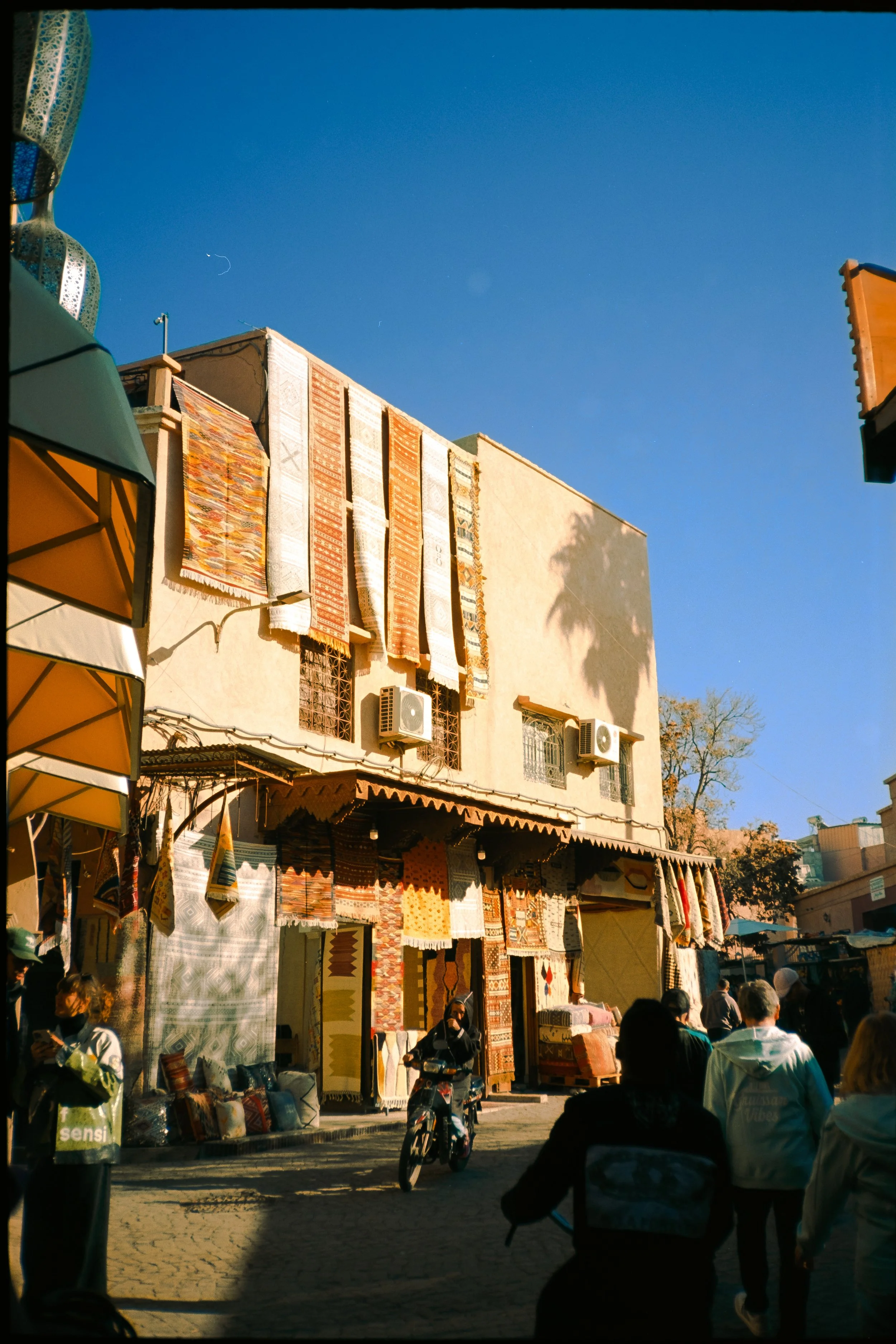
Olympus XA | Kodak Ektar 100
If someone asked me what film camera they should buy specifically for travelling, I'd probably start by looking at the Pentax PC35AF family or Nikon L35AF.
They're from the era of autofocus compacts I think makes the most sense for this job. You get a fixed 35mm lens, autofocus, automatic exposure and a camera that's still reasonably compact without getting into the prices of later premium point-and-shoots.
The original Pentax PC35AF uses manual film advance, while the later PC35AF-M adds motorised winding. If you like the full old-school point-and-shoot experience, I'd be tempted by the motorised version. There is something genuinely fun about the click, whirr and slightly clunky electronic noises of these early autofocus cameras.
The Nikon L35AF is another obvious one to look for. It has become more sought after, so prices can be higher, but I wouldn't get too caught up in one exact model. A clean, tested Pentax is a better travel camera than a questionable Nikon you've bought purely because it has the more famous name.
That's really the important point here. This type of camera is what I'd recommend for most people, rather than there being one magic model you absolutely have to buy.
I'd also avoid assuming you need to spend a fortune. There are premium cameras like the Contax T2 and Fujifilm Klasse if you really want the build quality and experience that comes with them, but for a camera you're taking on holiday I think there is a lot of value below £300.
Olympus XA: the one I'd personally take
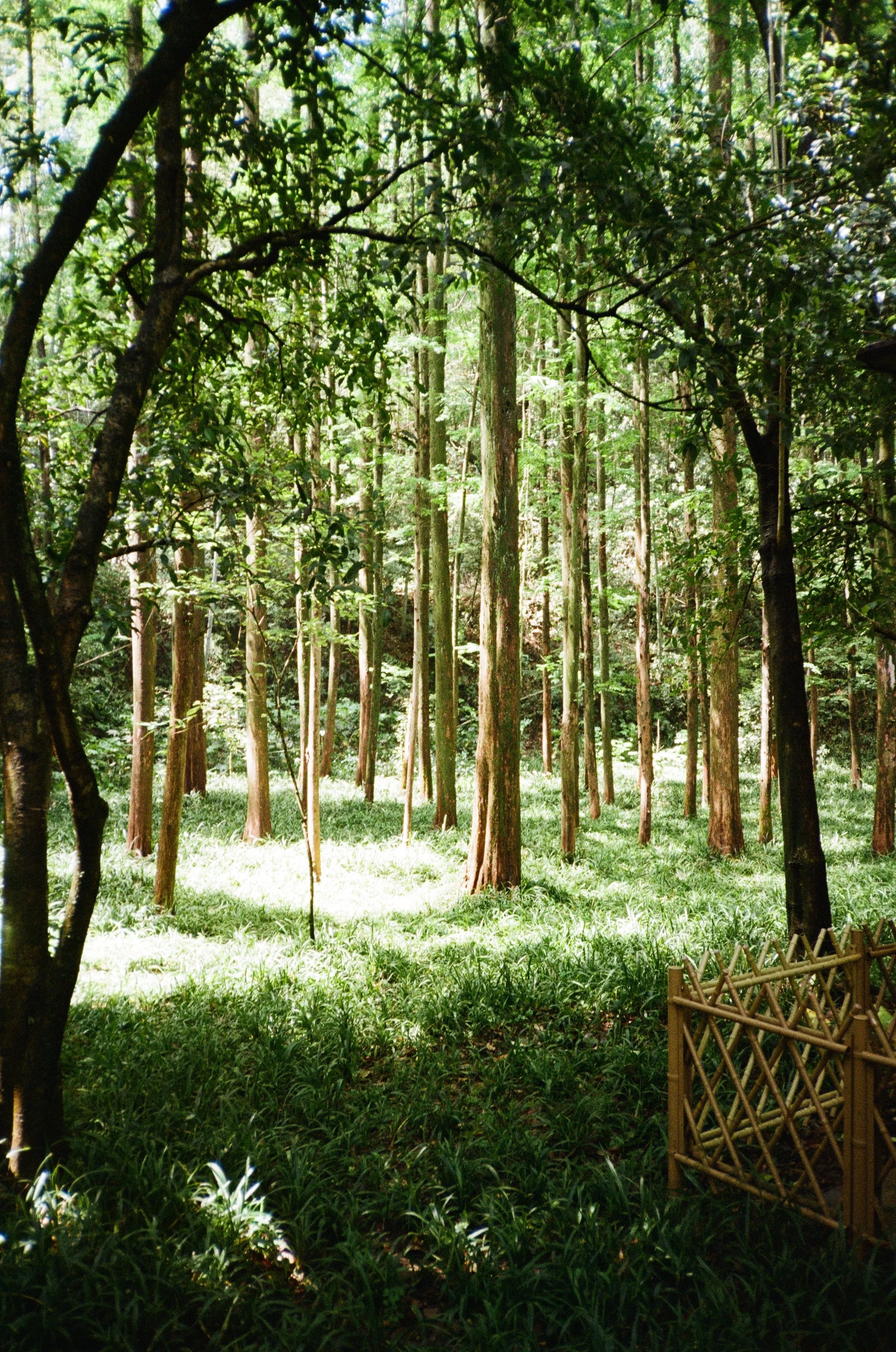
Olympus XA | Kodak Portra 160
If I'm choosing for myself, I still come back to the Olympus XA - simply due to size.
I've travelled with mine more than any other film camera, mainly because there really isn't much else like it. The clamshell cover protects the lens, the whole camera disappears into a pocket, and it is small enough that taking it with you never really becomes a decision.
That matters more than it sounds. A camera can have a better lens, a nicer viewfinder or more features, but none of that helps if you decide not to carry it for dinner because it's annoying to have hanging around your neck.
The XA gives you a proper rangefinder and aperture-priority exposure in that tiny body, so it still feels like using a real camera rather than something completely automatic. That's part of why I enjoy it.
The downside is also obvious: you have to focus it yourself.
I'm happy doing that, but I wouldn't recommend it to someone who simply wants to point the camera at something and press the shutter. The rangefinder patch is small, it isn't the fastest system in the world, and if you regularly hand your camera to other people to take photos of you, autofocus is much easier.
So while the Pentax or Nikon is probably my recommendation for most people, the XA is still my own favourite. If you're comfortable with manual focus and want something genuinely pocketable, I think it's very difficult to beat.
I've gone into much more detail about living with one in my Olympus XA review.
Minolta AF-T: the autofocus compact I've travelled with
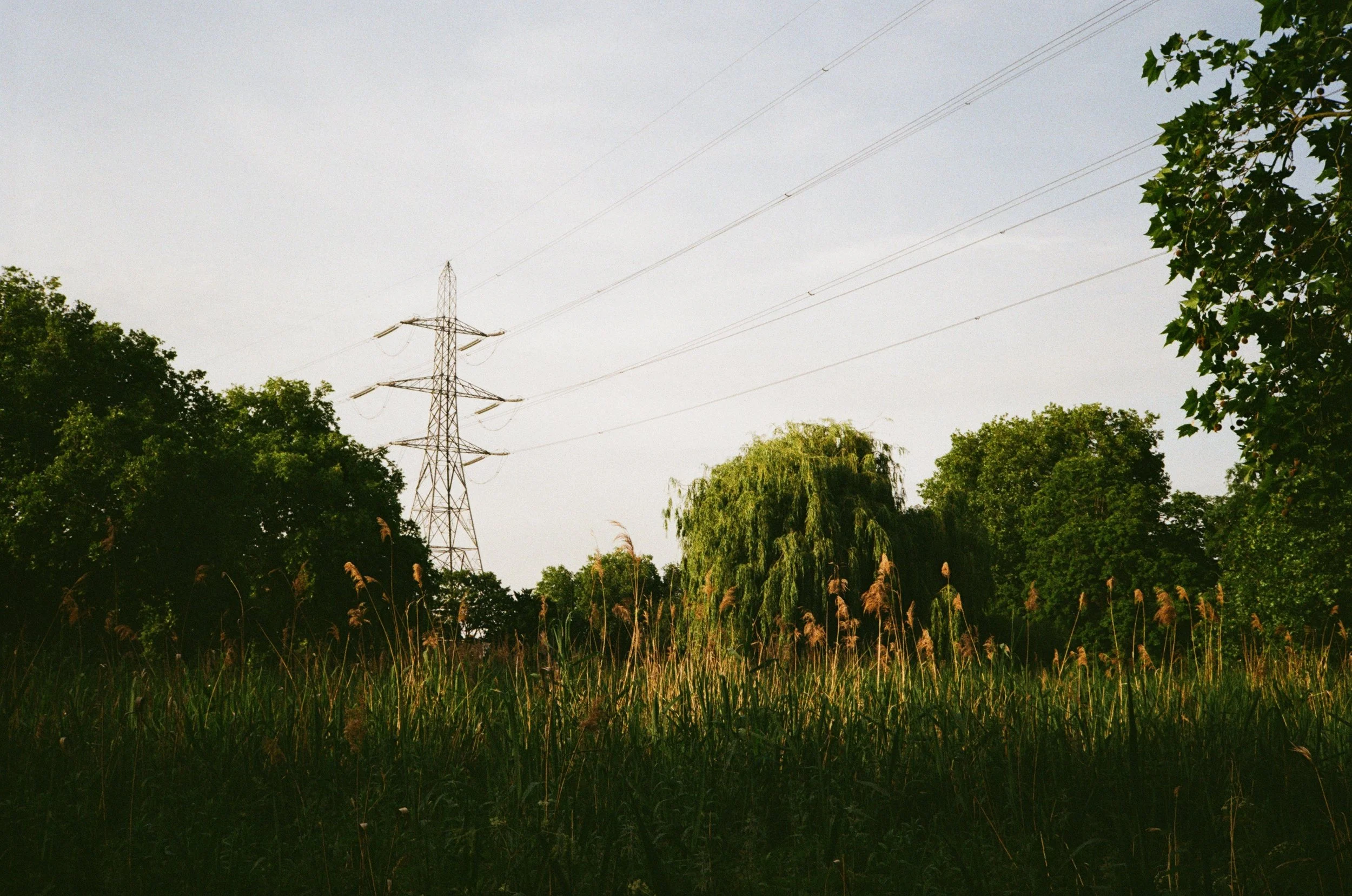
Minolta AF-T | Kodak Gold 200
The Minolta AF-T is the autofocus compact I've personally used most, and it's a big part of why I've become convinced that this type of camera is so good for travel.
Mine was given to me rather than being something I specifically went looking for, but it has been reliable, enjoyable to use and small enough that I've never really minded carrying it.
The autofocus isn't remotely comparable with a modern camera, and I've actually missed focus with it more often than I do with the manually focused XA. But it still makes shooting quicker and easier, particularly for people and casual photographs where I don't want to think too much about the process.
It also has that old electronic point-and-shoot feel that I increasingly enjoy. The winding noises and simple automatic operation make it feel very obviously vintage, which is part of the fun.
If I were buying from scratch today, I'd probably look at the Pentax and Nikon first, but I'd happily recommend the AF-T too. They're all variations on the same idea, and the Minolta has proved to me that the idea works.
Fujifilm GSW690: if the trip is about photography
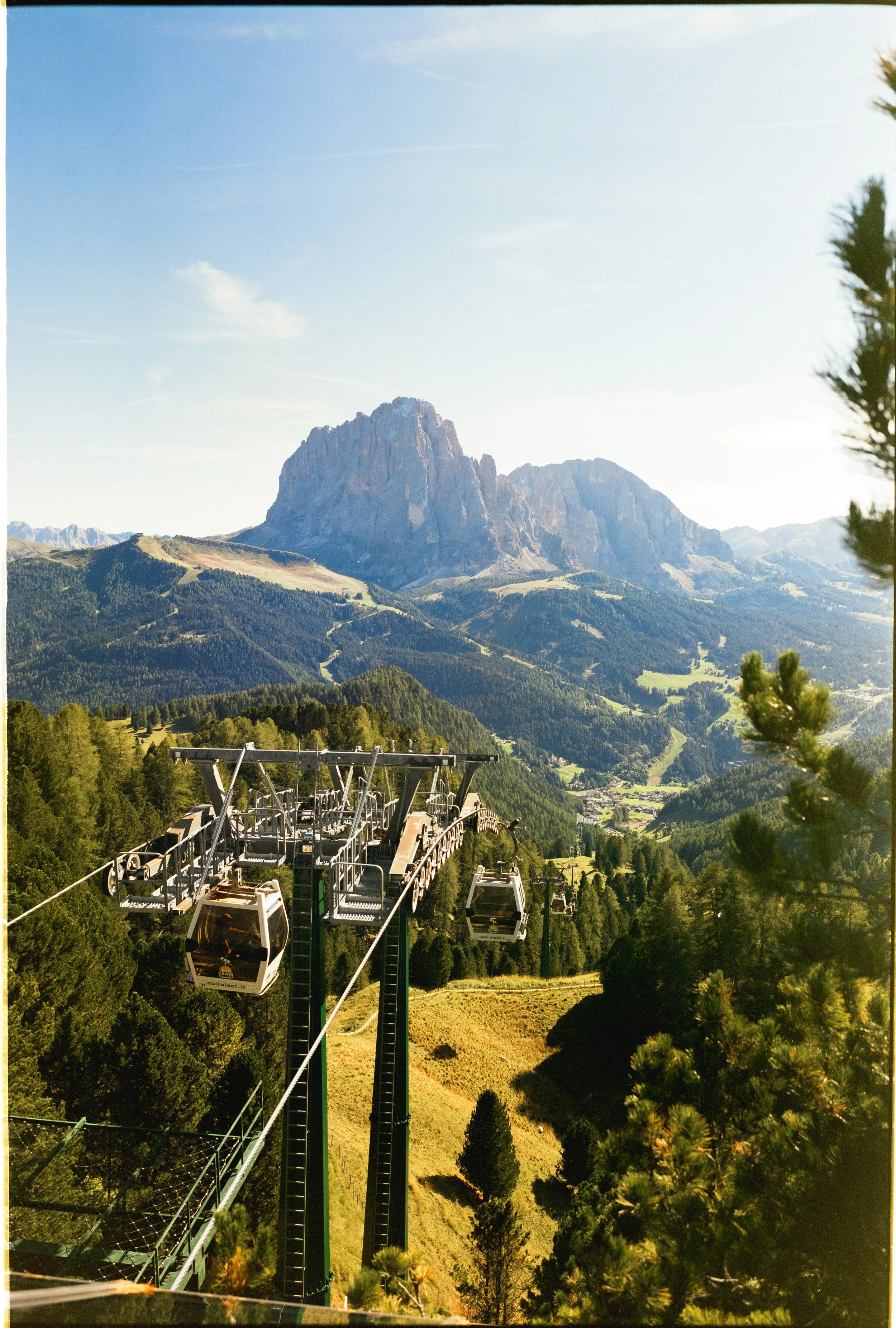
Fuji GSW690 | Fujicolor Pro 400H
The Fujifilm GSW690 is here for a completely different reason.
It is enormous compared with everything else in this guide, but if I'm going somewhere specifically because I want to come home with high-quality landscape photographs, it can be worth carrying.
I've travelled with mine in the Dolomites, where the big 6x9 negatives and wide lens suited exactly the sort of photographs I wanted to make. The image quality is on another level compared with a compact 35mm camera, particularly if you're thinking about making large prints afterwards.
I still wouldn't call it a normal travel camera. You know you're carrying it, you only get eight photographs from a roll of 120, and it makes no sense if your main goal is simply capturing everyday holiday moments.
But if photography is one of the main reasons for the trip, rather than just something you're doing while you're there, this is the sort of camera I would consider making space for.
I've travelled with other medium-format cameras too, including the Mamiya C330, but for landscapes I much prefer the wider 6x9 format of the Fuji.
For almost everyone else, though, I'd take the compact.
Why I don't generally recommend an SLR for travel
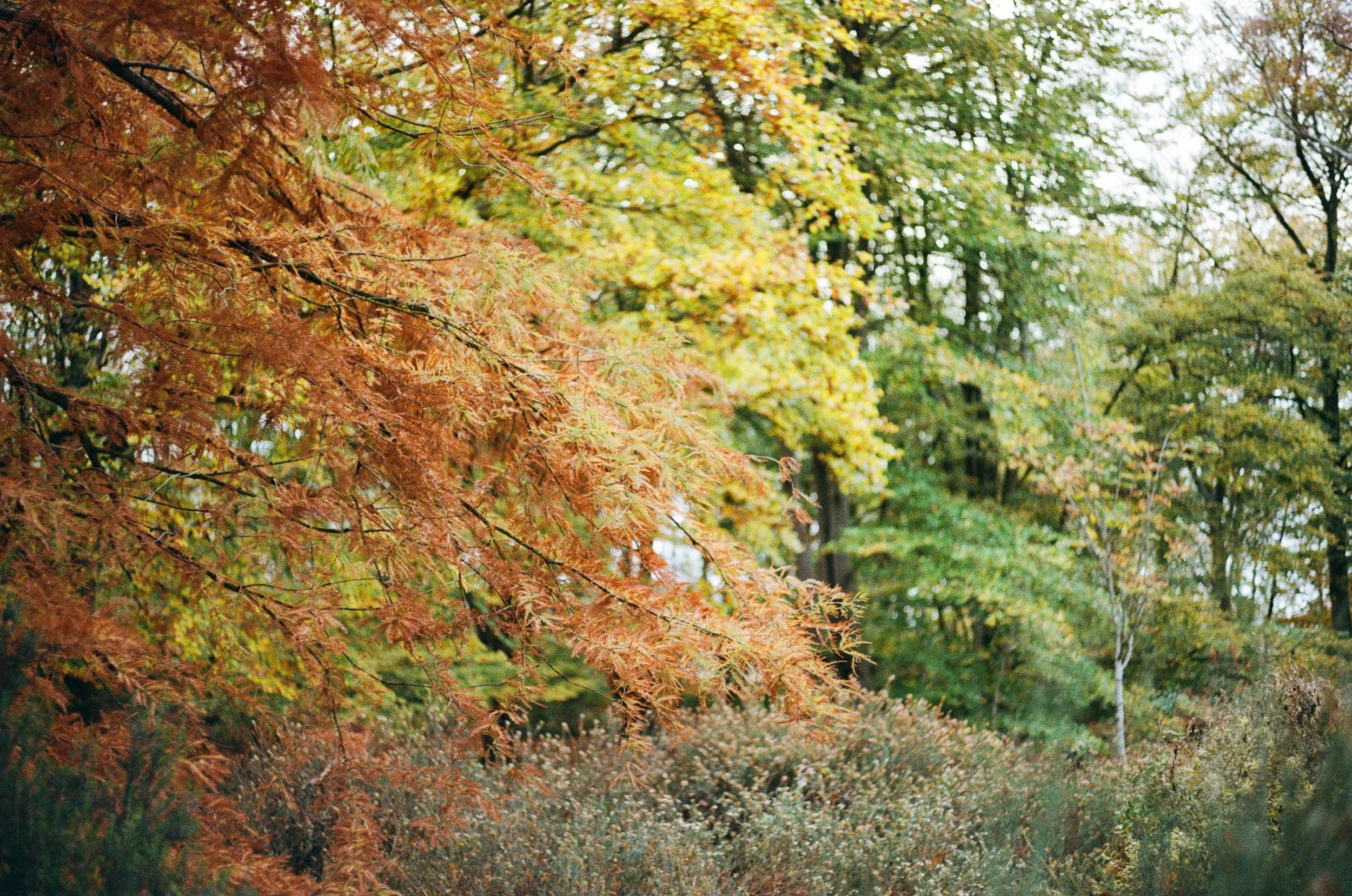
Leicaflex SL2 | Kodak Gold 200
I've travelled with 35mm SLRs including the Pentax Spotmatic F, Nikon FM2 and Leicaflex SL/SL2, and I don't think this is where I'd start if travel is the main use.
They're excellent cameras, but for this particular job they sit in an awkward middle ground.
They're much bigger than an XA or autofocus compact, often heavier, and usually involve more thinking about focus and exposure. That's great if the purpose of going out is specifically to take photographs, but it becomes less appealing when photography is only one part of the day.
If I'm accepting that much extra bulk because I care about maximum image quality, I'd rather make a more dramatic jump to medium format. If I just want to capture the trip, I'd much rather have the small 35mm camera in my pocket.
That doesn't make SLRs bad travel cameras. It just means I think there are better choices for most people.
Which film camera should you buy for travel?
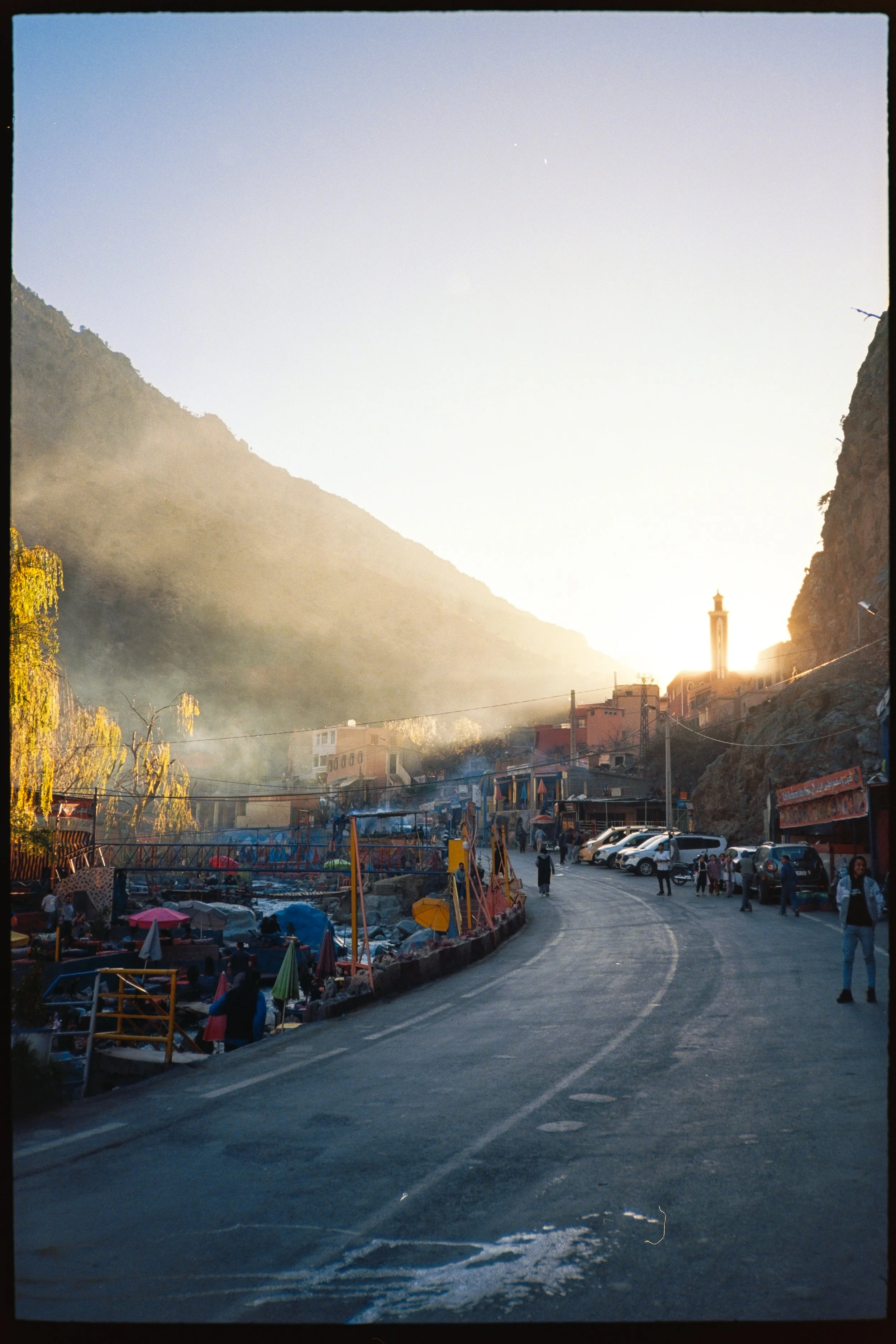
Olympus XA | Kodak Ektar 100
For most people, I'd start with a good 35mm autofocus compact. The Pentax PC35AF / PC35AF-M and Nikon L35AF are the models I'd put near the top of the list, with cameras like the Minolta AF-C worth considering too.
If you're comfortable manually focusing and care about getting the smallest camera possible, I'd buy an Olympus XA. That's still what I'd personally take.
And if the whole point of the trip is to make serious landscape photographs, that's when I'd consider ignoring the advice above and carrying something much bigger like the Fujifilm GSW690.
The biggest mistake is buying too much camera.
For travel, I'd rather have something small enough that I carry it every day, simple enough that I can take a photograph without interrupting what I'm doing, and good enough that I'm excited to see the roll when I get home.
A technically better camera doesn't make a very good travel camera if you keep leaving it at the hotel.