Photography Guide
Olympus XA Review
The smallest rangefinder you can buy: my favourite film camera to take travelling.
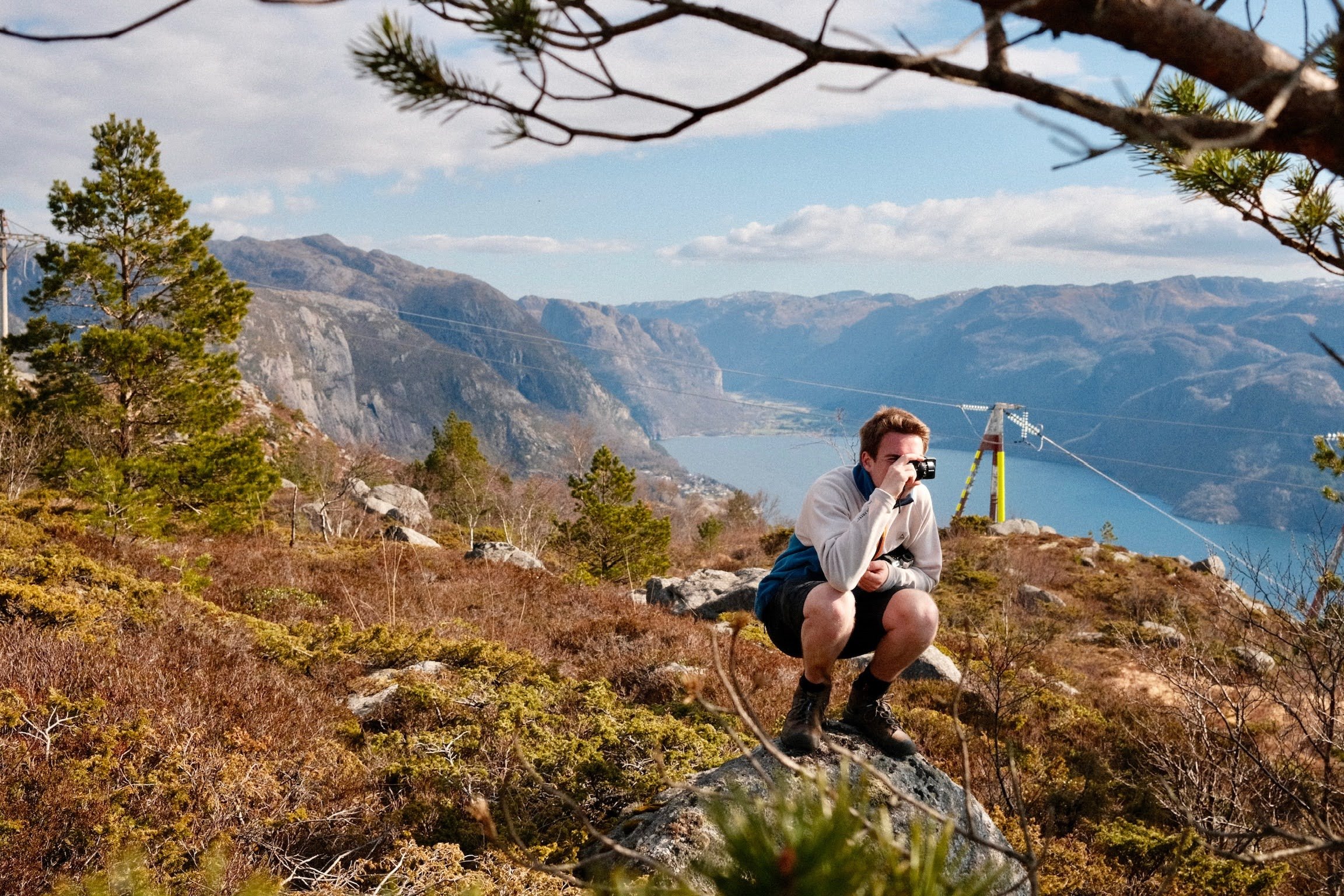
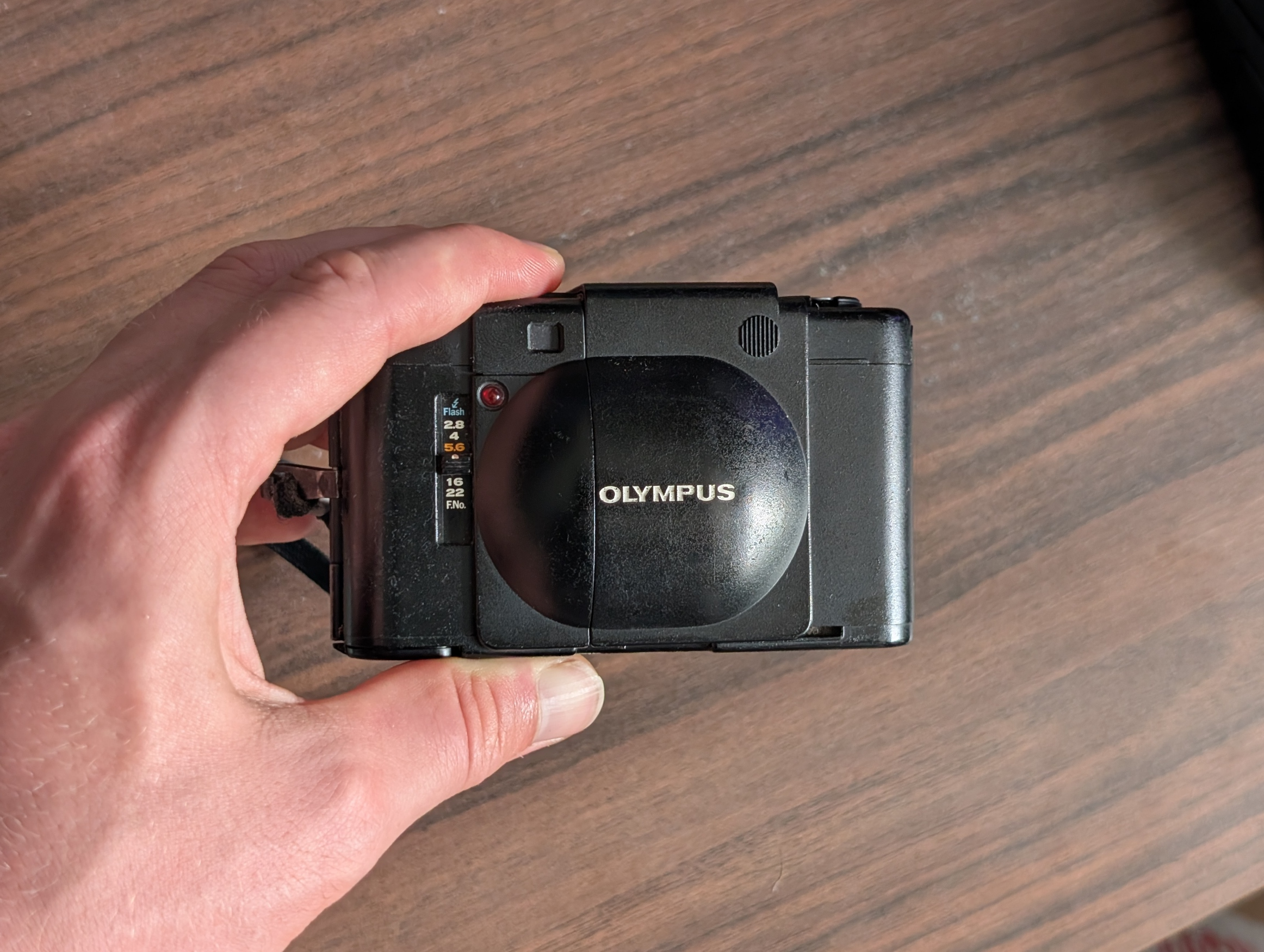
I bought my Olympus XA in May 2024 for £104 on eBay, complete with the detachable A11 flash. It was already fairly battered when it arrived, which made me slightly hesitant at the time, but it turned out to be one of the better film camera purchases I’ve made. It is genuinely tiny.
Since then it has travelled with me to Norway, Morocco, Taiwan, the French Alps, the Dolomites and all over the UK. It has been dropped a couple of times, got caught in a thunderstorm in the Alps and spent countless days loose in my pocket. After around 12–15 rolls, it still works exactly as it did when I bought it.
That reliability is part of why I like it, but the real reason the XA gets taken on so many trips is much simpler: it is genuinely tiny.
I own film cameras that produce better quality images, feel nicer to use and have much more impressive lenses. The XA is the one I end up carrying because it can live in my pocket all day without me really noticing it is there. For a travel camera, I’ve come to realise that counts for an awful lot.
Browse eBay listings:
Start by filtering by your own region to avoid unexpected import charges, then prioritise listings that clearly say the camera has been tested and is fully working. Check photos and seller feedback carefully.
Olympus XA: the quick version
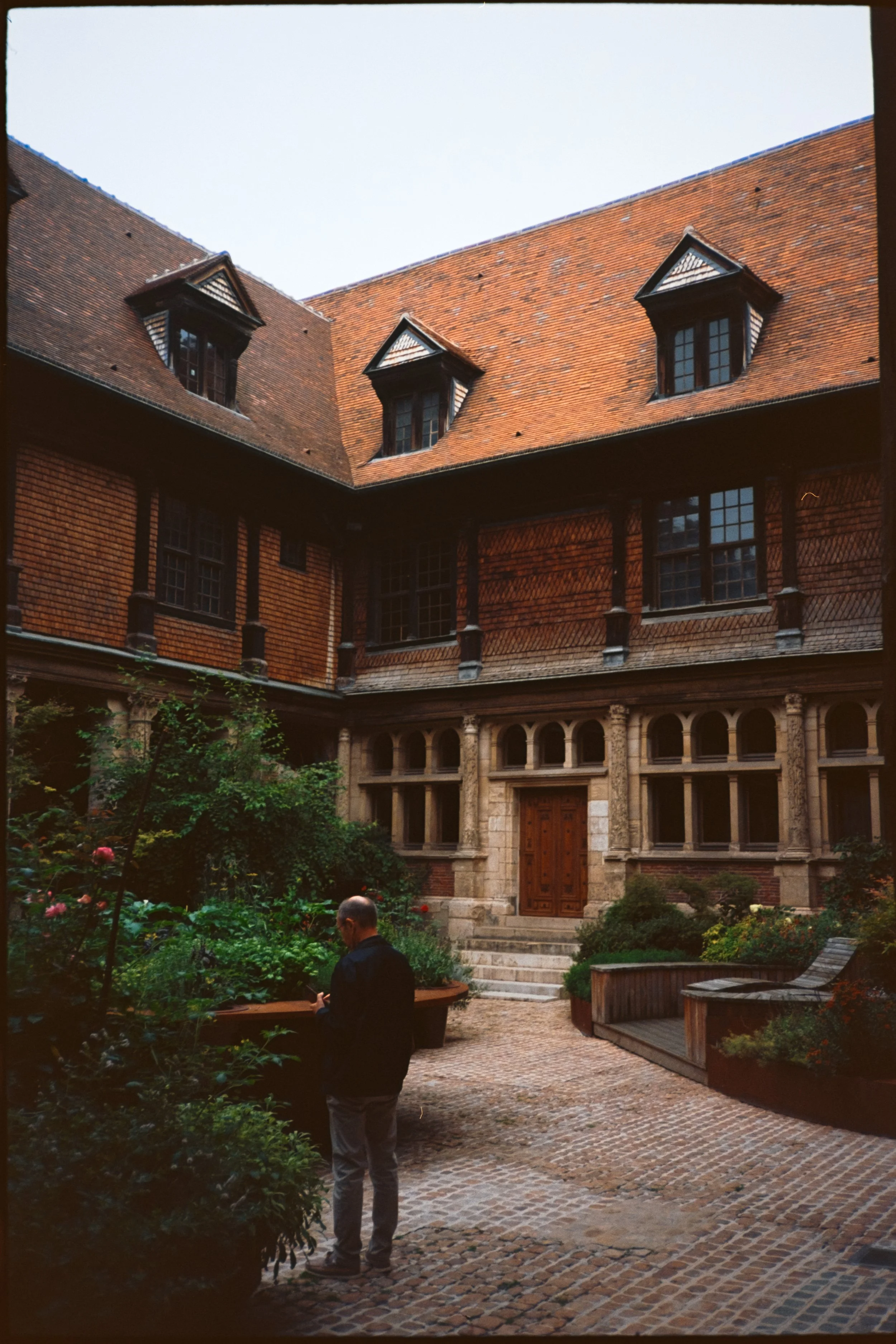
Olympus XA | Kodak Ektar 100
The original Olympus XA is a 35mm rangefinder with a fixed 35mm f/2.8 Zuiko lens and aperture-priority automatic exposure. You choose the aperture and focus manually, while the camera selects a shutter speed between 10 seconds and 1/500s. It weighs just 225g without batteries and measures roughly 102 x 65 x 40mm.
What I like:
Genuinely pocketable
Very light
Aperture-priority exposure makes it quick to use
Proper rangefinder focusing despite the size
35mm focal length works for almost anything
Quiet leaf shutter
Reliable in my experience
Uses readily available SR44 batteries
Sliding cover protects the lens and switches the camera off
Manual focus is particularly useful for landscapes
What I don't like:
The lens is softer than its reputation might suggest
The rangefinder is tiny and takes practice
The shutter release can occasionally be frustrating
The viewfinder is small
It's not the easiest camera to hand to somebody else
The plastic construction doesn't feel particularly premium
For me, the positives comfortably outweigh the compromises.
Make sure you're looking at the original Olympus XA
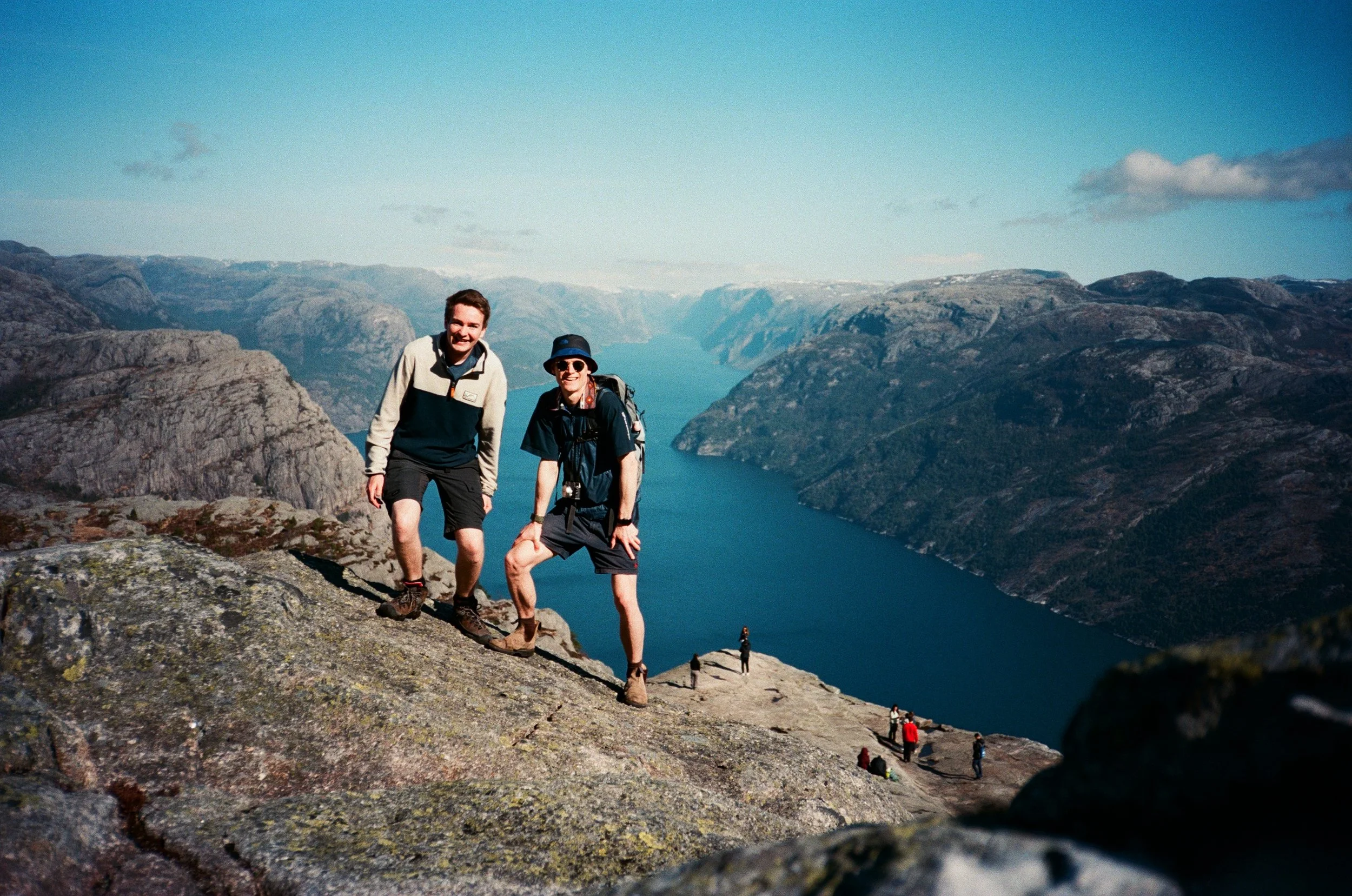
Olympus XA | Kodak Portra 160
This is worth mentioning before going any further because searching for an Olympus XA brings up lots of XA2s, XA3s and other cameras from the same family.
I specifically wanted the original XA. It’s the only one with true rangefinder focus. The newer versions rely on ‘zone-focussing’ - which is much more like guesswork.
When I was first researching, the XA2 and XA3 initially looked like newer and potentially better versions. They're often cheaper too. The important difference is that ‘zone focussing’ isn’t particularly precise. You have to be good a guessing distances, and the end result is just one too many out of focus shots for me.
I like having control over where the camera focuses, automatic exposure removes most of the work, and I only need to think about one thing.
Olympus somehow managed to fit a six-element 35mm f/2.8 lens, rangefinder, meter and electronically controlled leaf shutter into this tiny body. The focus runs from 0.85m to infinity, while apertures run from f/2.8 to f/22 and film speeds from ISO 25 to 800.
It sits in an unusual middle ground between a manual rangefinder and a point-and-shoot, which is probably why I haven't found an obvious modern replacement for it.
It really is pocketable
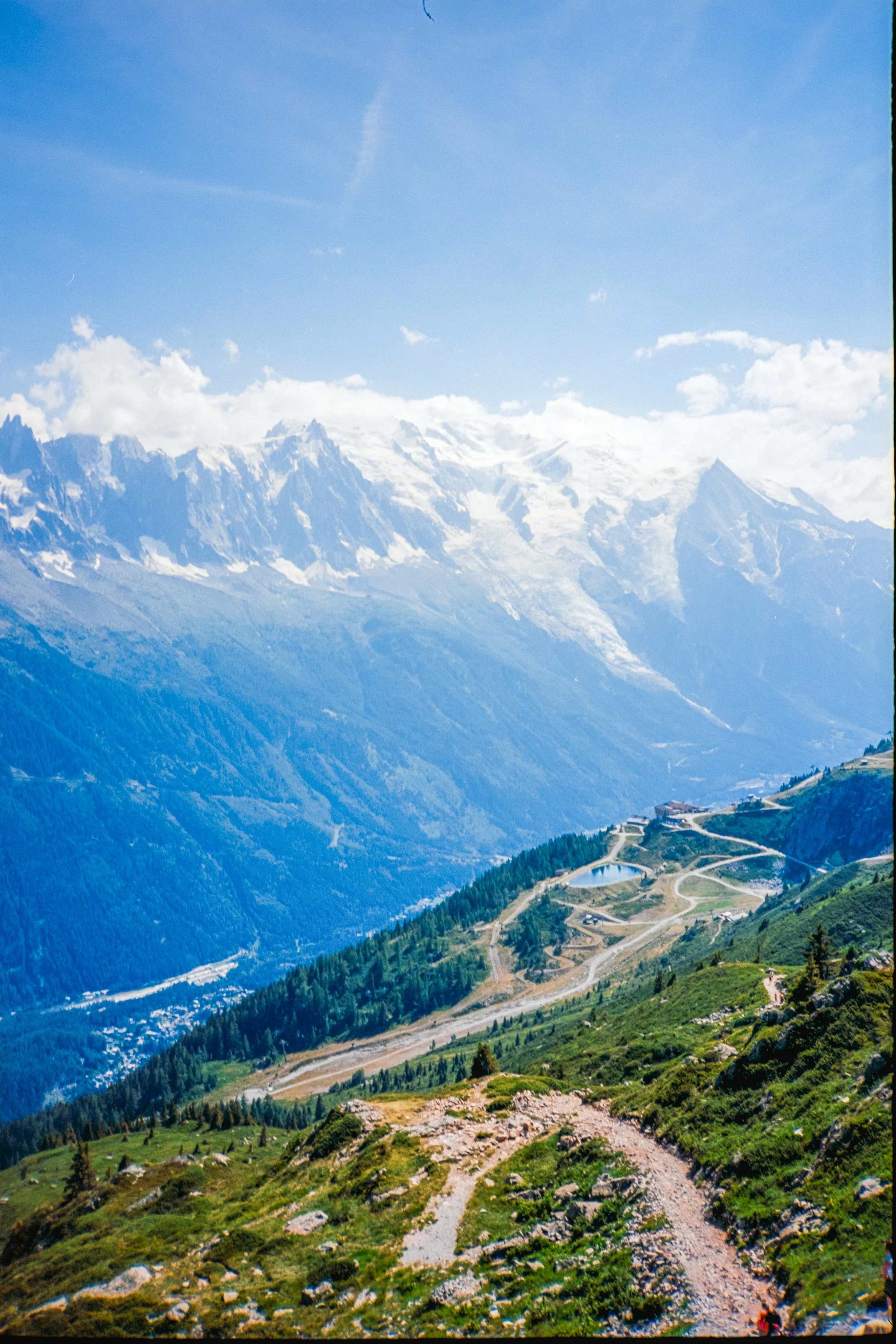
Olympus XA | Kodak Ektar 100
"Compact" gets used fairly loosely with film cameras. The XA isn't merely small compared with an SLR; it is genuinely small enough that I regularly put it in a jeans or shorts pocket.
The sliding clamshell design is a huge part of why this works. When you close it, the lens and rangefinder are covered, the shutter is locked and the camera is switched off. Olympus called this the Dust Barrier, and opening it effectively turns the entire camera on and makes it ready to shoot.
More importantly in everyday use, it gives the camera a smooth shape with very little to catch on your clothes. The cover has enough resistance that mine has never opened accidentally in my pocket either.
I originally kept it in a pocket of its own because I was being precious about it. Two years later, I'm rather less careful. I still wouldn't throw sharp keys in beside it, but the camera has coped remarkably well with normal travel use. Mine was already scratched when I bought it and I've actually made it cosmetically better by carefully covering some of the marks with a black paint marker.
It's made from plastic and doesn't have the wonderful mechanical solidity of something like my Leicaflex SL2, but it doesn't feel flimsy. The controls are necessarily very small, particularly the ISO selector and focusing lever, but everything has a decent amount of resistance and stays where it is put.
I'm 6'2" with reasonably big hands and can still operate everything comfortably. You need a little dexterity, but it isn't so small that using it becomes irritating.
Shooting the Olympus XA
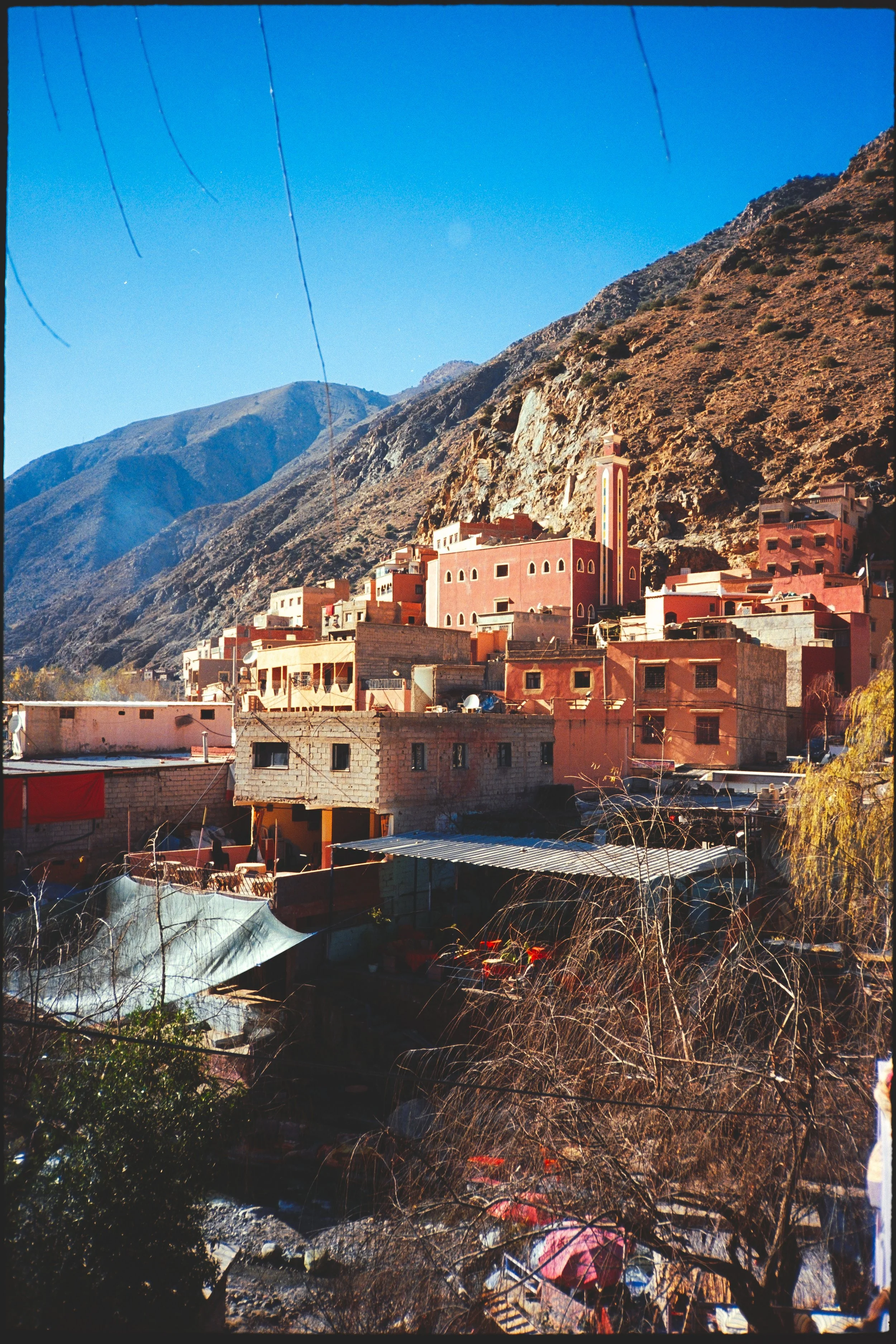
Olympus XA | Kodak Ektar 100
My normal process is simply to slide the front open, focus, frame and press the shutter. I'll normally already have chosen an aperture for the conditions, so in daylight there often isn't anything else to adjust.
I tend to leave it around f/5.6 or f/8 outdoors. If the light starts dropping, I use the shutter speed needle in the viewfinder as a guide and open the aperture until I'm comfortable with the shutter speed the camera is suggesting.
Olympus designed the XA as an aperture-priority camera, so there is no direct shutter speed control. The original manual actually suggests using the aperture lever to indirectly choose the shutter speed you want, which is essentially what I do in low light.
Once you're familiar with the camera, there isn't much to think about. That's something I've come to appreciate when travelling. I enjoy using fully manual film cameras, but there are plenty of situations where I'm walking around with other people and don't want every photograph to require metering, exposure settings, focusing and then composition.
With the XA, most of that disappears.
The shutter is almost silent
The XA uses an electronic leaf shutter, so pressing the button produces very little noise.
That suits street and candid photography particularly well, although the manual focusing means you need to be reasonably competent with the rangefinder before the camera becomes truly quick.
The film advance is manual too, using a little rotary thumbwheel on the back. Mine takes slightly more effort to turn than I expected when I first bought it, but it is satisfying to use and has never skipped or overlapped a frame.
There's no motor whirring every time you take a photograph, which is another reason the XA feels wonderfully discreet.
The rangefinder takes some learning
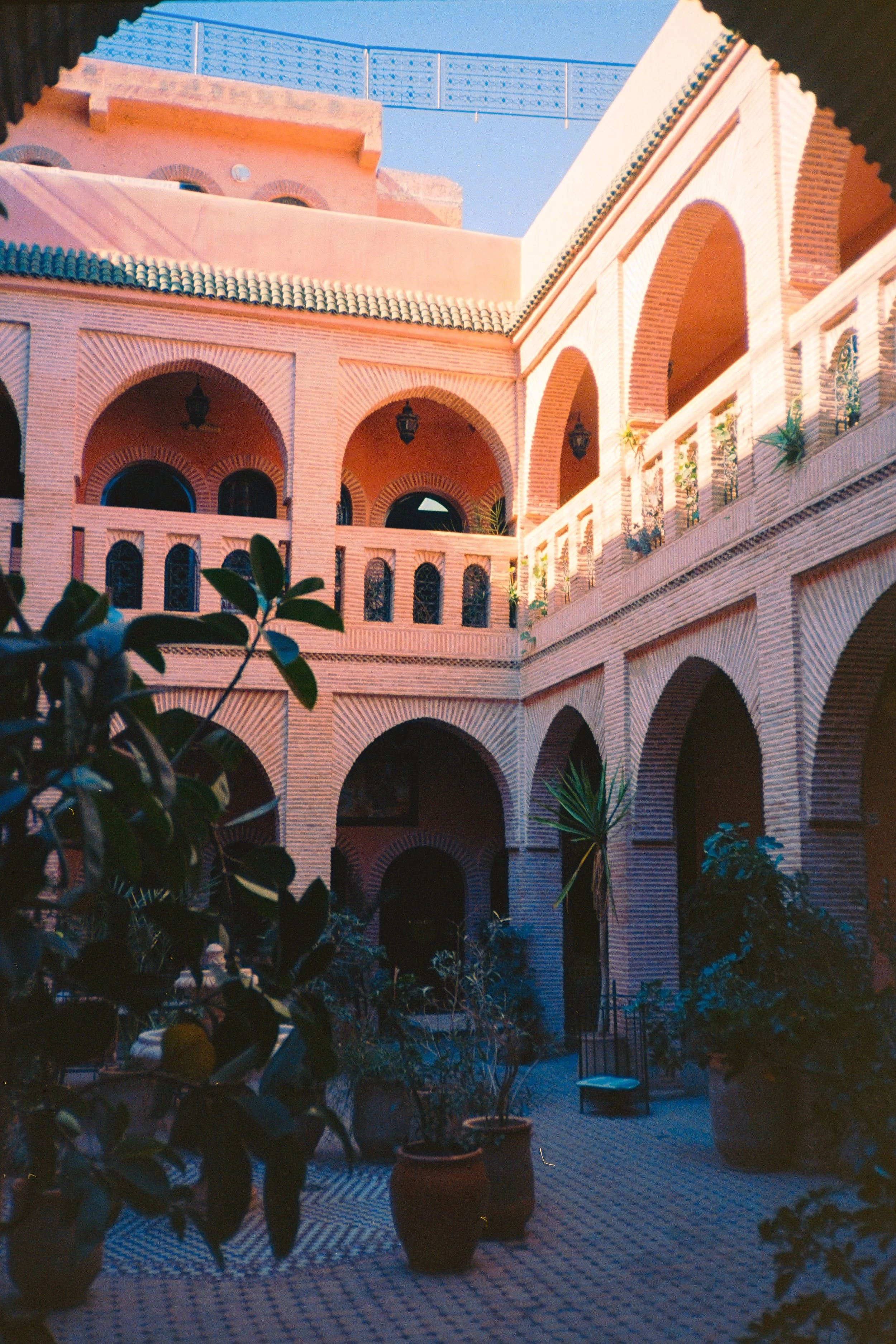
Olympus XA | Kodak Ektar 100
The rangefinder is probably the biggest deciding factor between buying an XA and choosing a true autofocus compact.
It works in the conventional way: you see a small double-image patch in the centre of the viewfinder and move the focusing lever until the two images line up.
The problem is that everything is tiny.
In bright daylight I can normally see the patch without much difficulty, although it occasionally disappears against certain backgrounds. In dim light it becomes noticeably harder. The more I've used the camera, the easier this has become, but I definitely missed focus more often during my first few rolls.
I now trust myself with it most of the time.
The viewfinder itself is adequate rather than brilliant. It's small enough that I need to get my eye fairly close, and I wouldn't want to rely on the frame lines for absolutely precise composition. There are even rounded corners on parts of the frame guide, so this isn't a camera for lining something up to the exact pixel equivalent of the edge.
For the photographs I normally take with it, that's fine.
You don't always need to focus it
One really useful feature is the red marking around the 8ft focusing distance.
Set the lens around there and use f/5.6 or f/8 and the depth of field from a 35mm lens gives you a large area of acceptable focus. For street photography in good light, this means you can effectively pre-focus the camera and forget about the rangefinder.
I use an even simpler version of this for landscapes: I put it at infinity.
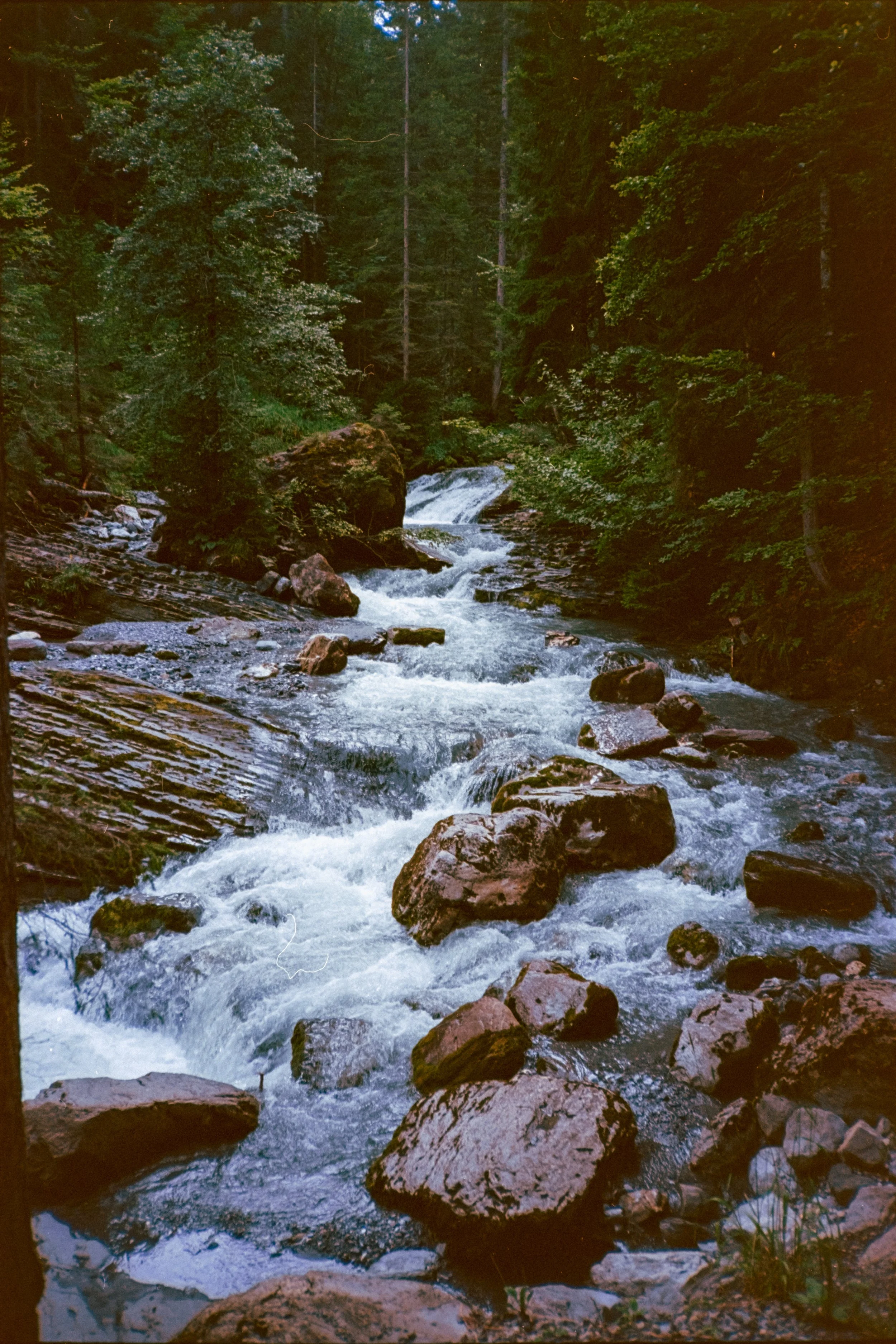
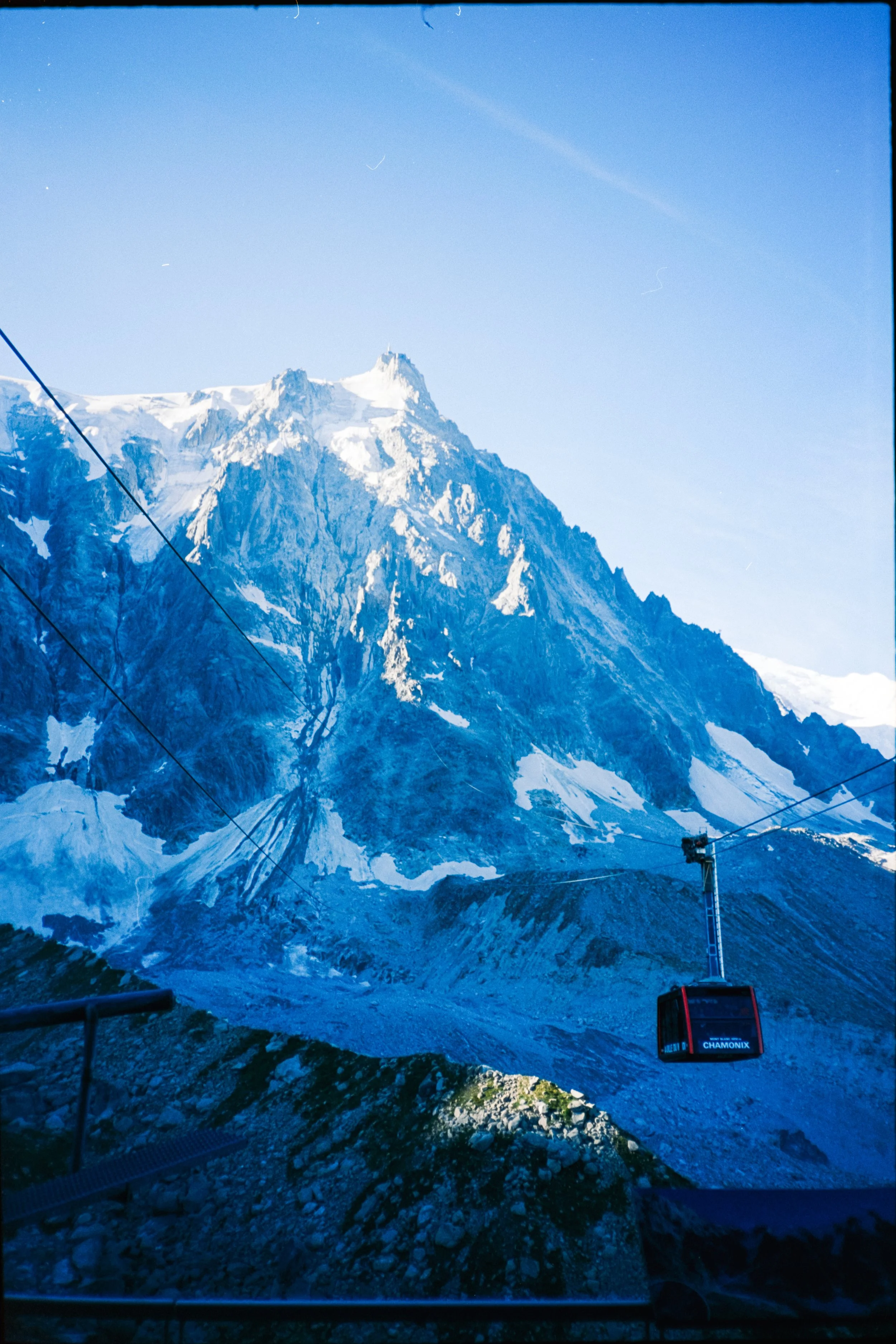
A lot of the photographs I take while travelling are landscapes, mountain scenes or city views where everything important is sufficiently far away that I don't need to focus again. At that point the XA starts behaving almost like a point-and-shoot. I choose an aperture, leave it at infinity and concentrate on framing.
This is one reason I don't necessarily see autofocus as an upgrade.
Would I recommend it if you've never manually focused before?
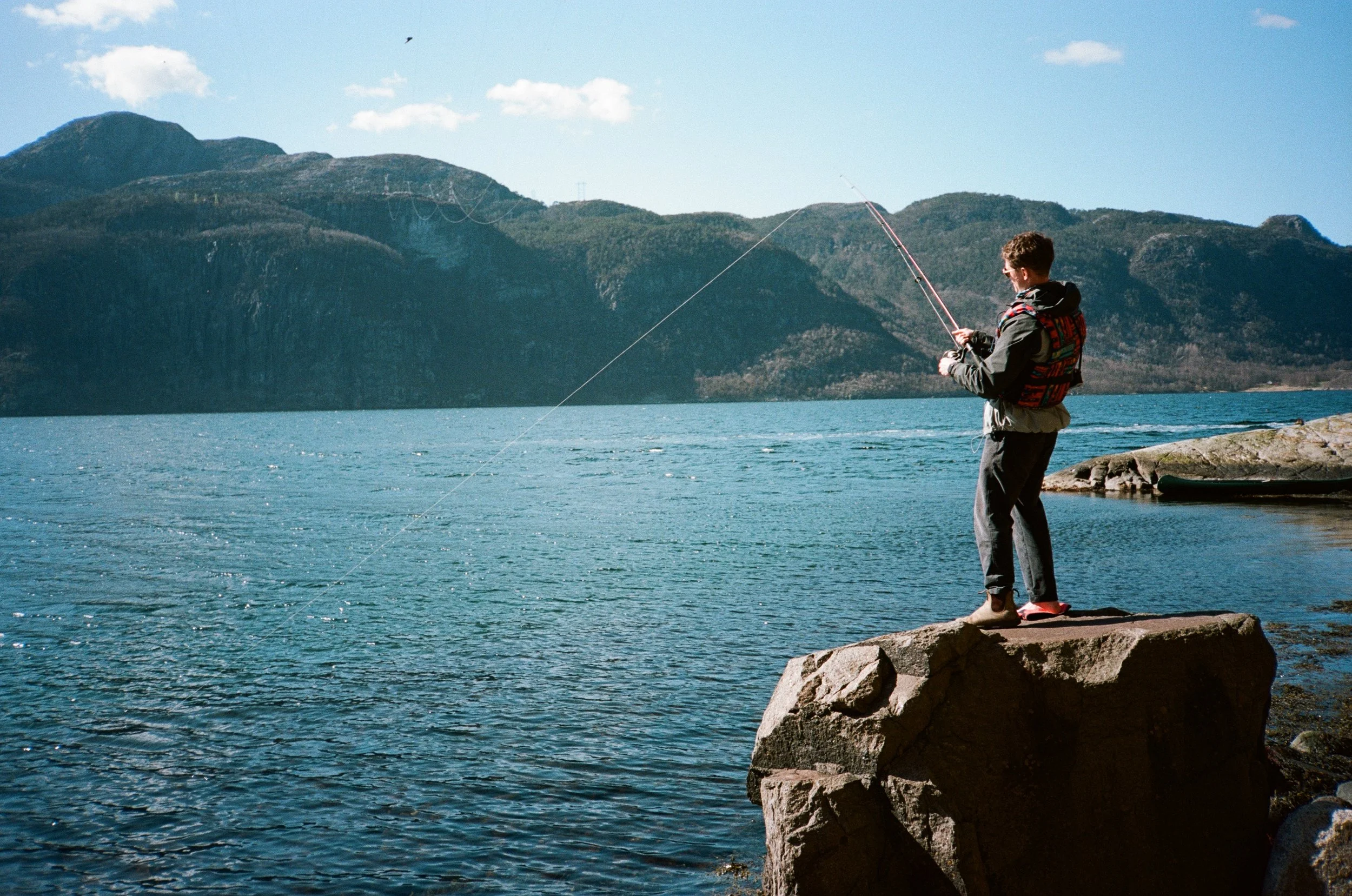
Olympus XA | Kodak Portra 160
Yes, but only if you're interested in learning.
Rangefinder focusing isn't particularly difficult and most people will get considerably quicker after a few rolls. It also adds just enough process that the XA still feels like you're using a film camera rather than simply pressing a button.
If you've never manually focused because you actively don't want to focus a camera yourself, however, I'd buy something else.
My Minolta AF-C makes far more sense in that situation.
The biggest practical example is handing the camera to somebody else. Giving a friend the XA and quickly explaining how a rangefinder works rarely results in a perfectly focused photograph on the first attempt. With the Minolta, I can point at the shutter button and hand it over.
For solo travel photography, I prefer the XA. For uncomplicated pictures of friends and people, autofocus has an obvious advantage.
The exposure meter has been very reliable
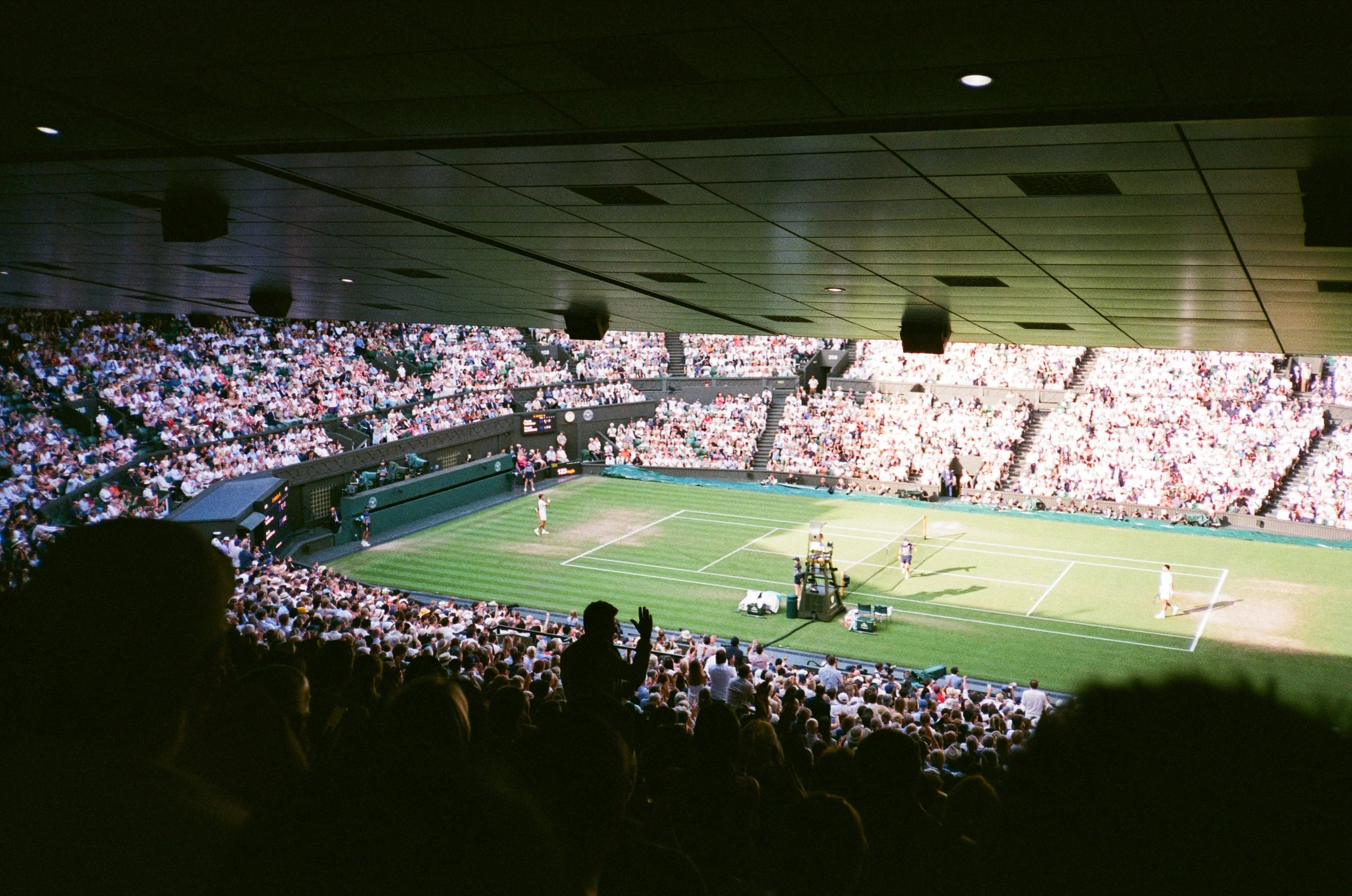
Olympus XA | Kodak Gold 200
I've only shot negative film through my XA, and that's probably what I'd recommend.
Most of my colour travel photography is around ISO 200, and at those speeds the meter has been remarkably consistent. I've used it in harsh Moroccan sun, bright mountain scenery, dark interiors and fairly awkward mixed lighting without coming home with a roll full of exposure disasters.
The XA also has a +1.5EV backlight compensation setting. Olympus specifically intended this for things like bright skies, beaches, snow and subjects in front of windows.
I've used it when I've known a scene is strongly backlit and it has done exactly what I wanted, lifting the exposure enough to retain useful detail in the subject.
I have had slightly less convincing results at ISO 800. One roll of HP5 shot with the dial at 800 appeared more overexposed than I expected, although with film processing and scanning involved I wouldn't confidently blame that entirely on the meter.
That is partly why I'd be more comfortable recommending the XA with forgiving colour-negative film than something like slide film, where your exposure has much less room for error.
For Kodak Gold 200 and similar stocks, I barely think about the meter anymore.
Is the Olympus XA lens actually that good?
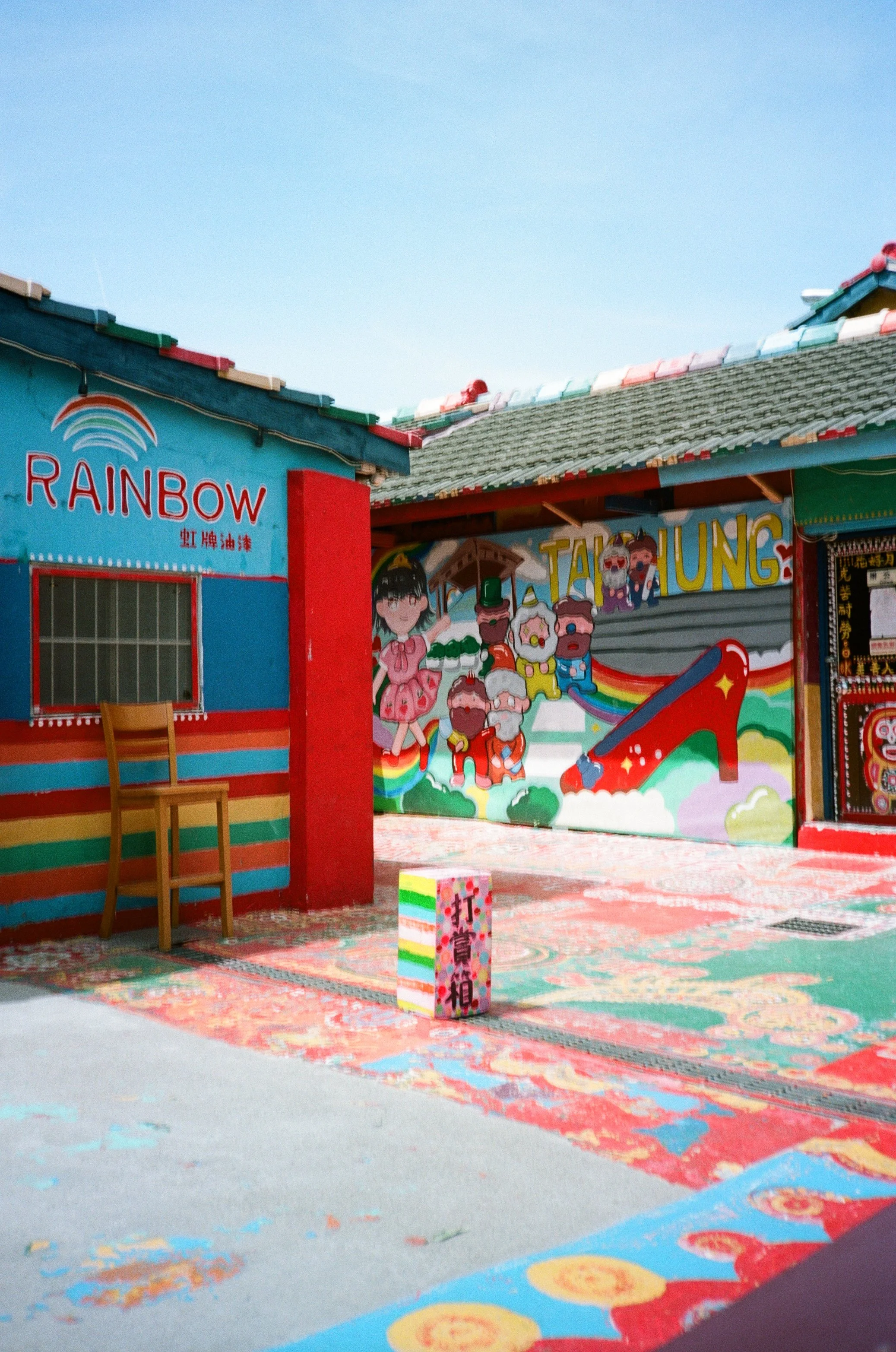
Olympus XA | Kodak Gold 200
This is where my experience differs slightly from quite a lot of XA praise online.
The 35mm f/2.8 F.Zuiko is an impressive lens for something this small. Olympus fitted six elements in five groups into a camera only 40mm deep.
I don't think it is an incredibly sharp lens in absolute terms.
I've compared my XA photographs directly with 35mm film shot through the Leica 50mm f/2 on my Leicaflex SL2, and the difference is fairly obvious. The Leica photographs have a clarity and sharpness that I don't consistently get from the Olympus.
At f/2.8 the XA is particularly soft. It improves at f/5.6 and f/8, but even stopped down I've never looked at the files and thought they were exceptionally sharp.
This needs some context, though.
I'm often comparing an XA frame with a photograph I've taken at the same location on a high-resolution digital camera. I also shoot medium format. I'm probably more aware of what is missing than somebody using the XA as their only travel camera.
I've also never really wanted to make a large print from an XA negative. I use these photographs for sharing, putting online and remembering a trip, and at those sizes there is more than enough detail.
More importantly, the photographs don't need to be clinically sharp to do what I want them to do.
A slightly soft colour-negative photograph can actually contribute to the vintage look I'm choosing film for in the first place. The imperfections are much easier to accept when the purpose of the camera is capturing the feeling of a trip rather than producing a technically perfect landscape print.
There have been one or two shots where I've wished the XA had given me more. Sometimes that could have been the lens, sometimes slight camera shake, sometimes missed focus and sometimes the scan. The small, fiddly nature of the camera increases the chances of all of those things happening.
So I wouldn't tell somebody that the XA offers incredible image quality with no compromises.
It offers very good image quality considering that the whole camera fits in your pocket.
That's a much more interesting achievement.
Low-light photography is surprisingly possible
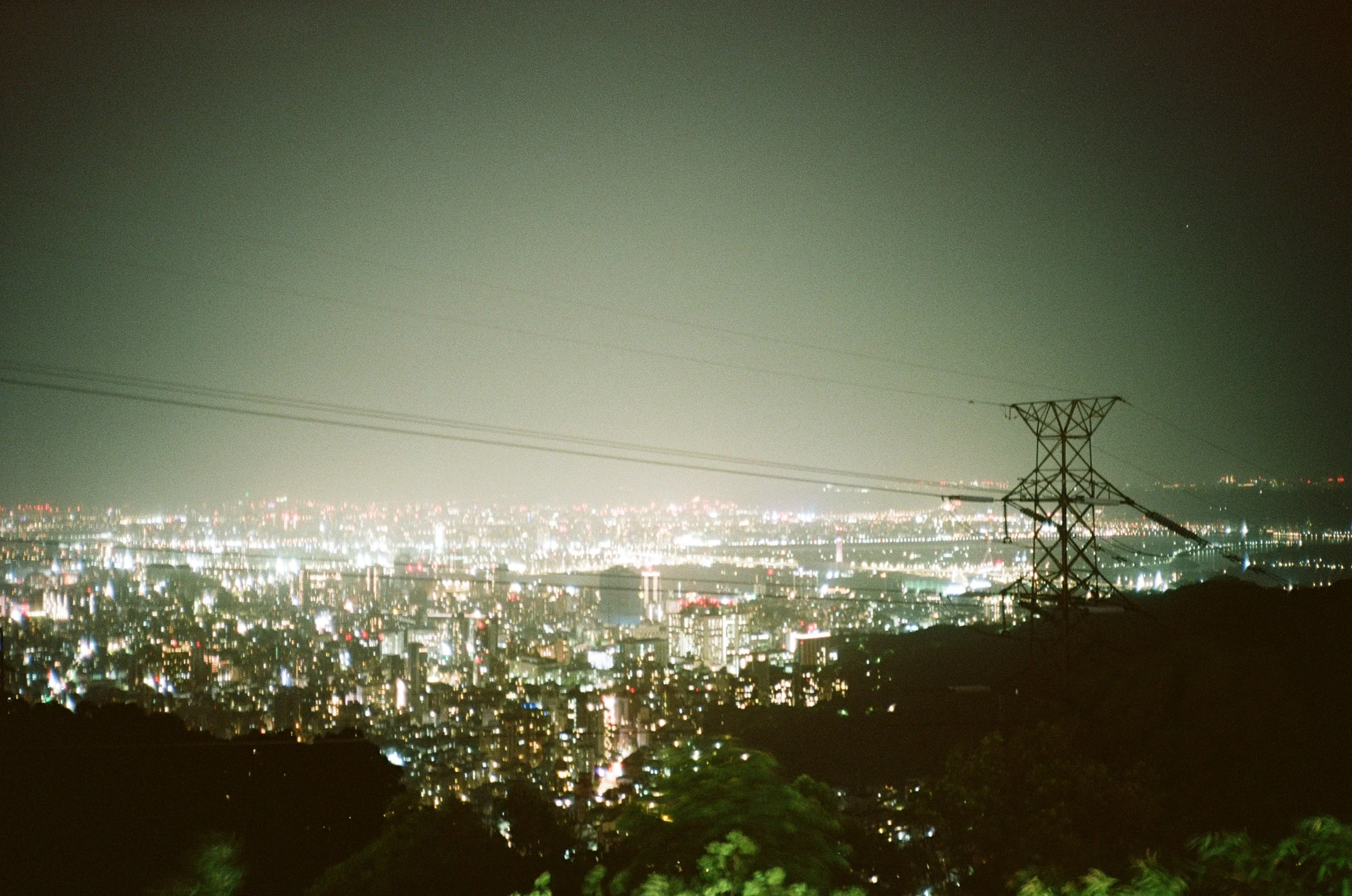
Olympus XA | Kodak Gold 200
Having f/2.8 available genuinely helps.
I don't avoid it just because it is softer than the smaller apertures. If opening the lens to f/2.8 is the difference between getting the photograph and not getting it, I'll happily shoot wide open.
I can normally handhold the XA reasonably confidently at 1/30s. At 1/15s I can get usable photographs if I'm careful, although I wouldn't expect every frame to be sharp. Once the shutter speed gets much longer than that, I start looking for something to put the camera on.
This is where the XA's automatic shutter becomes quite fun. Although the meter scale displayed in the viewfinder only goes so far, the camera itself can make automatic exposures as long as 10 seconds.
In Taipei I put mine on a bannister overlooking the city and let the camera choose a multi-second exposure. The resulting negative came out remarkably well.
For travel, having that capability in something this small is useful. A wall, table, rock or railing effectively becomes your tripod.
My one irritation: the shutter button

Olympus XA | Kodak Portra 160
Olympus described the XA's shutter as a "feather touch" electromagnetic release and specifically designed it to need very little pressure.
Ironically, this is probably the control that annoys me most.
Sometimes mine fires with the lightest touch. Other times I find myself pressing it and wondering why nothing has happened. Occasionally the effort of trying to trigger it has introduced a small amount of camera shake into a photograph.
I've seen enough discussion of the XA's unusual membrane-style shutter release to suspect this isn't unique to my camera, although I can only really speak for mine.
After a roll or two I got used to it, and it now causes very few problems. It is still probably responsible for more failed shots than any other physical control on the camera.
Reliability after two years
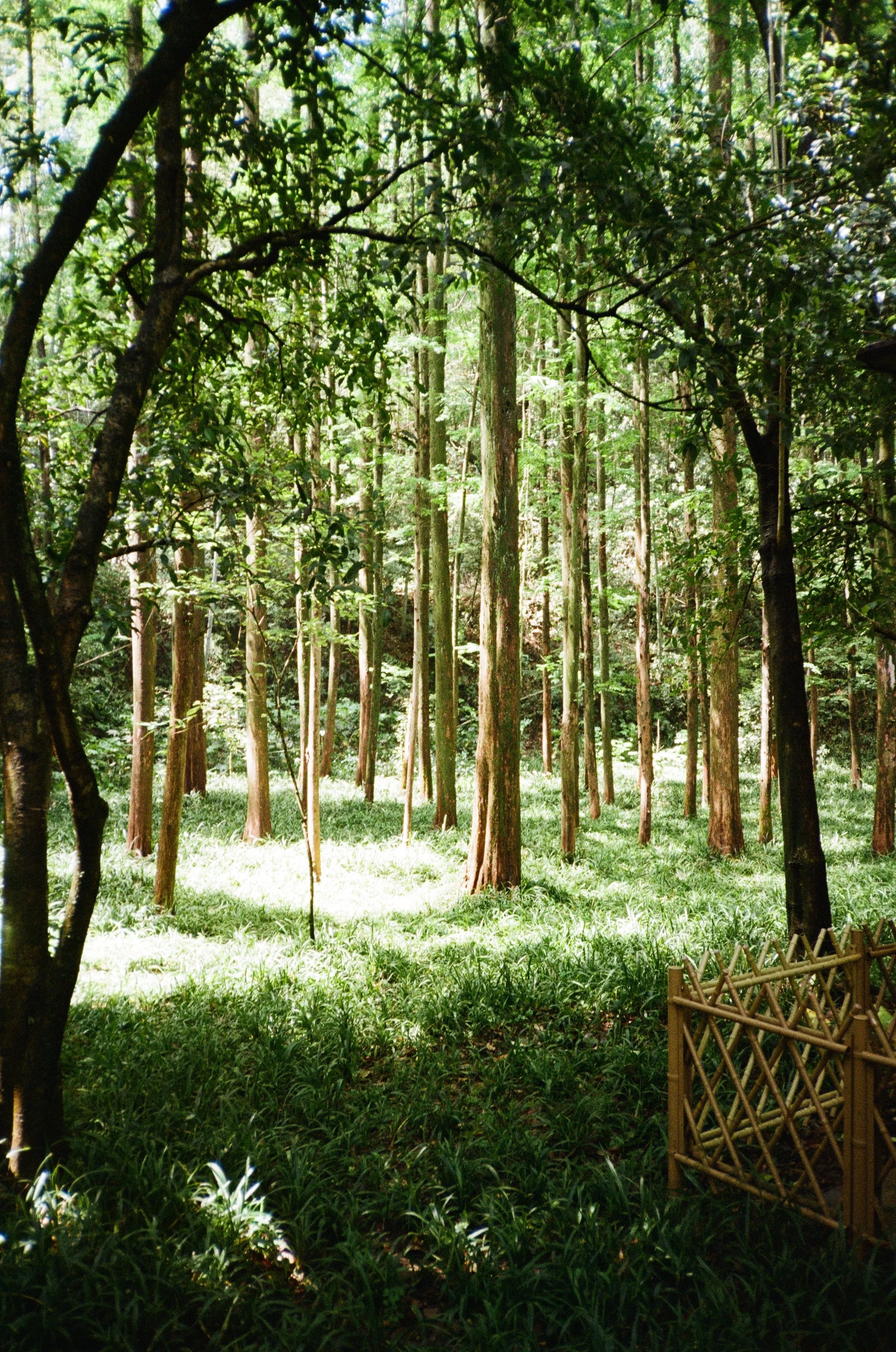
Olympus XA | Kodak Portra 160
This is one area where my XA has been exceptional.
I've put somewhere around 12–15 rolls through it since buying it in 2024 and haven't had a mechanical failure. The meter works as it did when it arrived, the rangefinder still appears properly aligned, the film advance has never skipped, the battery compartment remains clean and the clamshell still opens and closes with a satisfyingly firm movement.
I've never had it serviced.
Mine also arrived with good light seals and they still look fine today.
That doesn't mean every XA you find on eBay will be equally reliable. These are decades-old electronic cameras and condition matters enormously. My own experience buying film cameras includes stuck shutters and completely dead cameras arriving from otherwise respectable-looking listings.
For an XA, I'd want to see confirmation that the shutter fires at different light levels, the meter needle reacts, the rangefinder appears aligned, the film advance operates properly and the battery compartment is free from corrosion. I'd also inspect the seals as soon as it arrived and shoot a test roll before relying on it for an important trip.
At the moment, UK asking prices for the original rangefinder XA vary substantially, with working examples appearing around the £100–£200 area and cleaner or more comprehensively tested examples sometimes going beyond that.
I paid £104 including the A11 flash in 2024. I'd happily pay around that again, and even at today's higher prices I still think a good XA makes sense.
Loading film, and the 39-shot bonus
Olympus XA | Kodak Ektar 100
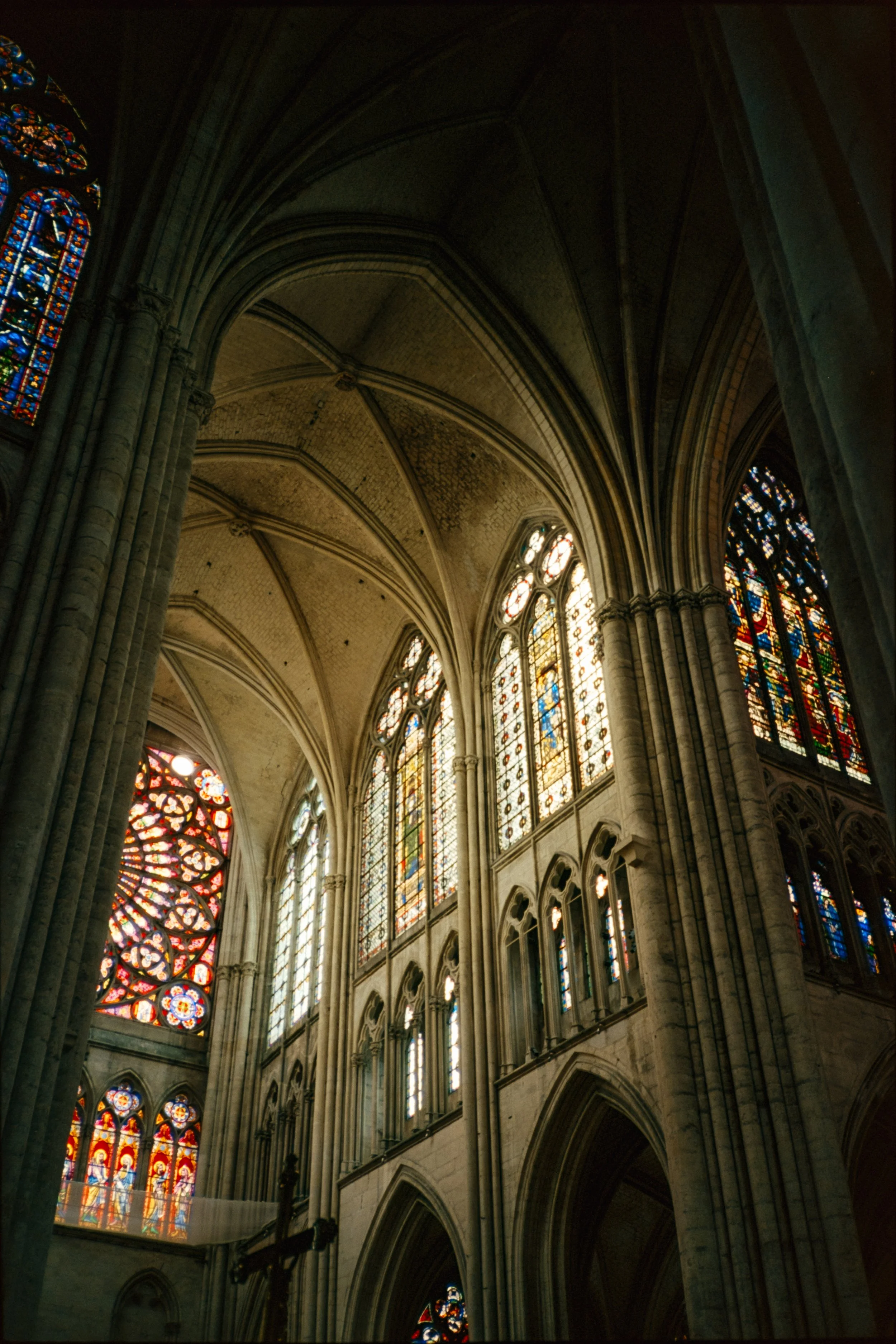
Loading is completely manual but straightforward.
You pull the film leader across, feed it into the take-up spool and wind until everything has caught properly. Olympus's instructions have you advance and fire two blank frames before the counter reaches one.
I've never had a blank roll or had the film slip off the spool.
Rewinding is similarly conventional, using a small crank on the top. Everything is miniature because the camera itself is miniature, but none of it has become annoyingly small in use.
One amusing side effect of the XA's design is how little film it wastes at the beginning of a roll.
I regularly manage to get 39 photographs from a 36-exposure roll.
I don't stop just because the counter says 36. If the advance still moves, I keep shooting until I reach the actual end of the film.
Three free exposures might not be the most important XA feature, but with the price of colour film these days I'll take them.
The A11 flash: useful, but I leave mine at home
Olympus XA | Kodak Ektar 100
My XA came with the detachable A11 flash, which mounts onto the side of the camera and runs from a single AA battery. Olympus designed it specifically for the XA family, with the camera's aperture lever moved to the flash position to switch the system into automatic flash operation.
I've barely used mine.
Attaching the flash makes the XA noticeably wider and removes much of what I love about the camera. I don't shoot much flash photography anyway, so mine normally stays at home.
The one time I seriously tried it, I managed to badly overexpose the photograph. That may well have been me using it incorrectly rather than the flash itself, so I don't have enough experience with the A11 to review it properly.
If I were buying specifically for parties, nightlife and direct-flash portraits, I'd probably look harder at an autofocus compact with a built-in flash instead.
For my landscape and general travel photography, I actually prefer that Olympus made the flash removable. It means I don't need to carry something I almost never use.
Is the Olympus XA worth buying?
Olympus XA | Kodak Ektar 100
For me, definitely.
What makes the XA special isn't that it beats bigger film cameras at their own game. It doesn't.
My Leicaflex gives me better image quality and a much nicer mechanical experience. My medium-format cameras can produce negatives in an entirely different league. An autofocus compact is quicker when I want to photograph people without thinking.
The XA's advantage is that I can carry it when I don't want to carry a camera.
That's a much harder thing to replace.
Even if I had £1,500 to spend on a travel film camera, I don't think I'd simply replace the XA with a Contax T2 and call it an upgrade. I'd probably buy another XA and then spend the rest on something more premium as a second camera, because the Olympus occupies its own little niche.
It's genuinely tiny, gives me proper manual focus when I want it and automatic exposure when I don't want to think about settings. Mine has also proved reliable enough that I now throw it into a pocket without worrying about whether it will come back alive.
The weakest part is the image quality. If Olympus had somehow managed to make the 35mm f/2.8 lens just a little sharper without increasing the size, I'm not sure what else I'd really want from it.
But that is also the point. The compromises are largely a consequence of the thing that makes the XA so useful in the first place.
If absolute image quality matters most, buy a bigger camera.
If you want a 35mm film camera that can actually come everywhere with you, I'd buy the XA again tomorrow.